Developing shampoo for color-treated hair requires a different formulation approach from ordinary cleansing products. After coloring or bleaching, hair may become more porous, dry and difficult to manage. Consumers therefore expect color-safe shampoo to cleanse effectively while helping maintain color appearance, softness and shine.
For private label hair care brands, developing a color-safe shampoo involves more than selecting a mild surfactant or adding conditioning ingredients. The cleansing system, pH, conditioning performance and overall formula stability all influence the finished product experience.
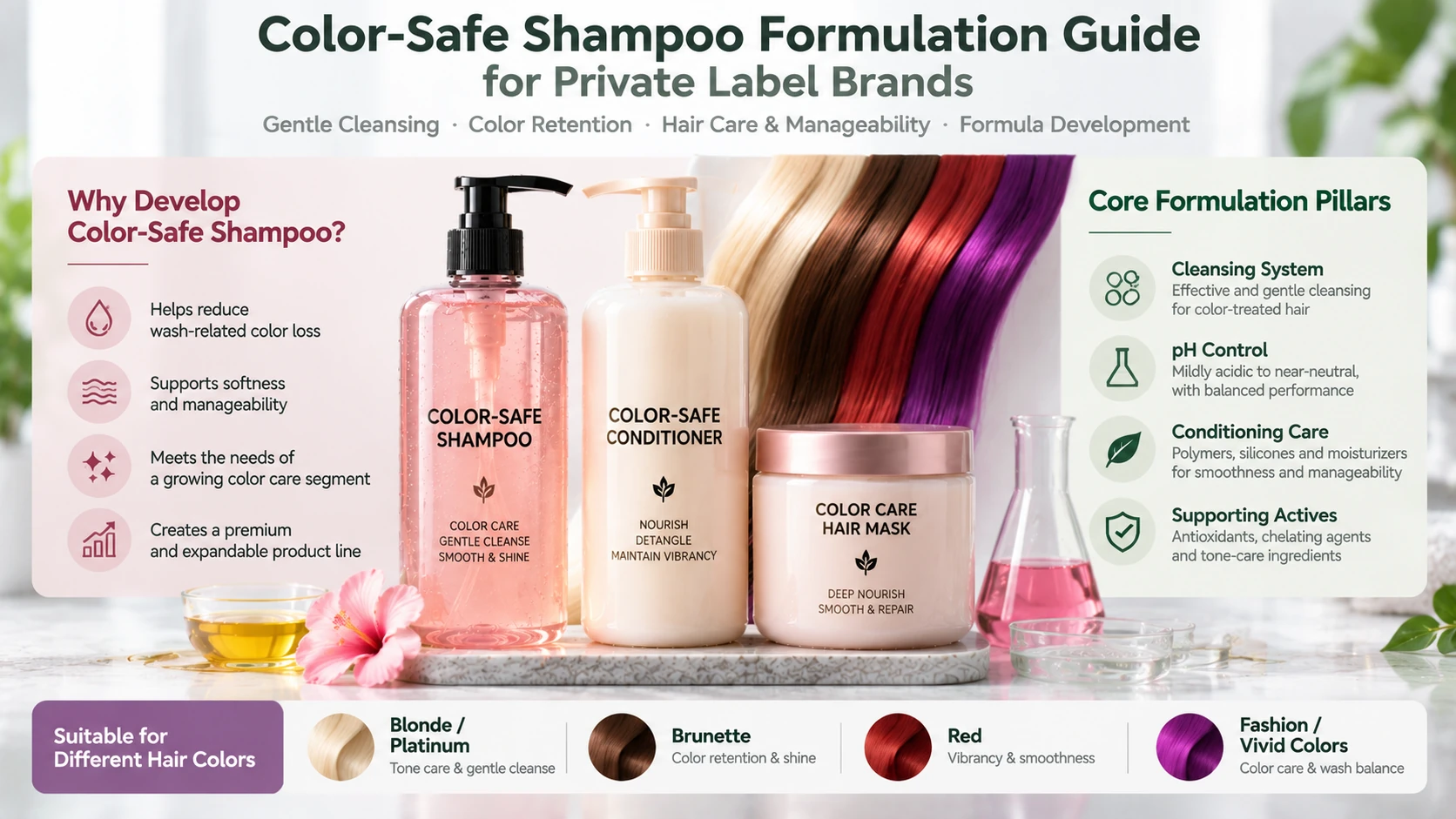
Different hair color types may also require different product directions. Blonde, brunette, red and vivid-colored hair do not necessarily have the same color-care needs.
This guide explains the key formulation considerations for color-safe shampoo, including ingredient selection, different hair color requirements, sulfate-free options, performance testing and opportunities to develop a complete color care collection within broader private label shampoo development.
1. What Makes a Shampoo Color-Safe?
A color-safe shampoo is developed for cleansing color-treated hair while helping maintain its appearance and manageability throughout repeated washing.
Hair coloring can change the structure and surface condition of the hair fiber. Bleaching and chemical coloring may increase porosity, making treated hair more vulnerable to dryness, tangling and changes in appearance.
A suitable color-safe shampoo needs to balance cleansing performance with the condition of the treated hair.
Gentle Cleansing and Color Retention
The cleansing system is one of the most important parts of color-safe shampoo formulation.
An overly aggressive cleansing approach may contribute to faster color loss under certain washing conditions. However, removing too much cleansing power is not the solution either. The formula still needs to remove excess oil, dirt and everyday residue effectively.
Formulators therefore select surfactant combinations according to the target hair type, intended washing frequency and desired cleansing experience.
The objective is to provide effective cleansing without unnecessary stripping or an uncomfortable after-wash feel.
pH and Hair Fiber Condition
Formula pH is another important development parameter for color-treated hair.
Color-safe shampoos are often designed around a mildly acidic to near-neutral pH, depending on the surfactant system, conditioning ingredients and preservation requirements.
However, there is no single pH value that guarantees color protection. The final target should be established through formulation development and stability evaluation.
A well-balanced formula should provide suitable cleansing and conditioning while maintaining consistent product performance.
Conditioning and Surface Care
Color-treated and bleached hair often needs additional conditioning support because chemical processing can affect smoothness, softness and combability.
Cationic conditioning polymers, silicones and selected moisturizing ingredients can help reduce friction and improve the feel of treated hair.
The conditioning level should match the intended consumer. Fine, highlighted hair may need a lightweight finish, while dry or heavily processed hair may benefit from a richer conditioning approach.
The goal is to maintain a comfortable hair feel without making the product excessively heavy.
2. Key Ingredients in Color-Safe Shampoo Formulation
A professional color-safe shampoo formula combines several functional ingredient groups. Their selection depends on the desired cleansing performance, hair type, product appearance and intended claims. These decisions should also be considered within the broader shampoo formulation process.
| Ingredient Category | Common Examples | Formulation Role |
|---|---|---|
| Mild Surfactants | Amino acid surfactants, alkyl polyglucosides | Cleansing with a balanced sensory profile |
| Conditioning Agents | Polyquaternium compounds, selected silicones | Improve smoothness and manageability |
| Moisturizing Ingredients | Panthenol, glycerin, betaine | Support moisture-related sensory benefits |
| Protein Ingredients | Hydrolyzed proteins | Support conditioning and hair-feel positioning |
| Antioxidants and Botanicals | Vitamin E, green tea extract | Supporting ingredients for selected formula concepts |
| pH Adjusters | Citric acid, sodium citrate | Adjust and maintain the target formula pH |
| Chelating Agents | Suitable chelating ingredients | Help address mineral-related deposits |
Mild Surfactant Systems
Mild surfactants are commonly considered when developing shampoos for color-treated hair.
Amino acid-based surfactants and alkyl polyglucosides may be used in different cleansing systems, depending on the desired performance and product positioning.
However, a mild ingredient does not automatically make the entire formula color-safe. The surfactant blend, concentration, conditioning system and washing performance all need to be considered together.
Conditioning and Moisturizing Ingredients
Conditioning ingredients play an important role in improving the washing experience of treated hair.
Polyquaternium compounds and selected silicones can help improve slip and reduce friction, while ingredients such as panthenol, glycerin and betaine may support moisture-related product positioning.
Hydrolyzed proteins can also be considered in formulas designed for damaged or chemically treated hair.
The correct combination depends on the desired finish. A lightweight color-care shampoo should not leave fine hair feeling coated, while a formula for dry, processed hair may require more conditioning support.
Antioxidants and Chelating Ingredients
Some color-care concepts include antioxidants or botanical extracts as supporting ingredients. Their role should be evaluated within the complete formula, and specific color-protection claims should not be based on ingredient presence alone.
Chelating agents serve a different purpose. They can help address mineral deposits associated with hard water, which may affect hair appearance and color tone.
This can be particularly relevant for brands targeting consumers in different geographic markets with varying water conditions.
3. Matching the Formula to Different Hair Color Types

Not all color-treated hair has the same requirements. A shampoo developed for blonde or platinum hair may have a different product direction from one intended for brunette, red or vivid-colored hair.
For private label brands, identifying the main hair color segment helps determine which formulation characteristics deserve the greatest attention.
| Hair Color Type | Formulation Focus | Product Development Direction |
|---|---|---|
| Blonde / Platinum | Gentle cleansing, conditioning and tone maintenance | Color-safe shampoo or separate purple toning shampoo |
| Brunette / Red | Balanced cleansing, smoothness and shine | Daily color-protecting shampoo |
| Fashion / Vivid Colors | Cleansing balance and color-retention evaluation | Specialized color-care shampoo |
| Balayage / Highlights | Balanced care for mixed natural and treated hair | Lightweight moisturizing color-safe shampoo |
Blonde and Platinum Hair
Blonde and platinum hair often requires additional attention to dryness, porosity and unwanted yellow tones.
A gentle color-safe shampoo can be developed for routine cleansing and conditioning. Brands may also consider a separate purple toning shampoo designed to help neutralize unwanted yellow-looking tones through color deposition.
These are two different product concepts and should not be confused.
Brunette and Red Hair
Brunette and red shades may benefit from formulas that focus on balanced cleansing, shine and conditioning.
The product should be designed to maintain a comfortable washing experience without unnecessarily affecting the appearance of the treated hair.
For brands targeting this segment, fragrance, texture and a smooth after-wash feel can also contribute to product differentiation.
Fashion and Vivid Colors
Bright red, pink, blue and other vivid shades can present different color-retention challenges depending on the dye system and hair condition.
Formulation development should pay particular attention to cleansing strength and performance across repeated wash cycles.
Claims about extending vivid color should be supported by appropriate testing rather than assumed from the use of mild surfactants alone.
Balayage and Highlights
Balayage and highlighted hair often contain a mixture of natural and chemically treated sections.
A product designed for this segment may need to balance gentle cleansing with lightweight conditioning, helping maintain a manageable finish without weighing down finer sections of hair.
For brands targeting salon and premium hair care consumers, this can be a useful direction for a specialized color-care collection.
4. Sulfate-Free Color-Safe Shampoo: What Brands Should Know
Sulfate-free formulations are frequently considered for color-treated hair products, particularly when brands want to develop a gentle-cleansing concept.
Alternative surfactant systems may include amino acid surfactants, glucosides and amphoteric surfactants. These can be combined to achieve the required cleansing, foam and sensory characteristics.
However, sulfate-free does not automatically mean color-safe.
A sulfate-free shampoo may still cause an unsatisfactory washing experience if the cleansing system is poorly balanced. Likewise, a shampoo containing sulfate surfactants is not automatically unsuitable for every color-treated hair product.
The complete formula matters more than a single ingredient exclusion.
For private label brands, the choice between conventional and sulfate-free systems should be based on target consumers, product positioning, cleansing requirements and actual performance evaluation.
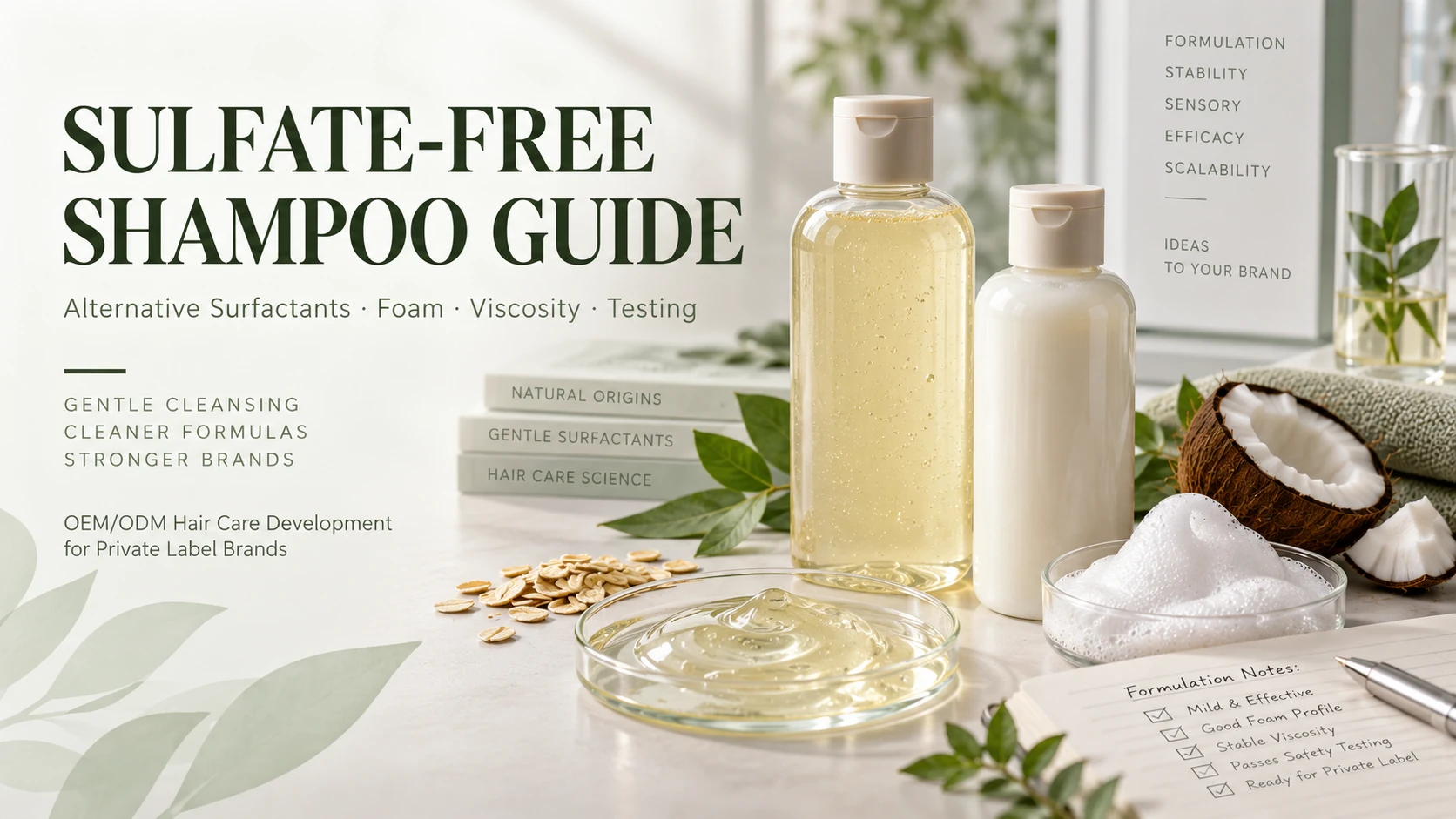
If sulfate-free positioning is a key part of the product concept, it is important to assess foam, viscosity, conditioning and stability together rather than treating sulfate removal as the only development objective. Brands can explore our sulfate-free shampoo formulation guide for a more detailed look at alternative cleansing systems.
5. Common Challenges in Color-Safe Shampoo Development
Developing a shampoo for color-treated hair involves several formulation challenges that may not be obvious during the initial sample stage.
One common issue is balancing cleansing strength with color retention. A formula that cleans too aggressively may not provide the intended color-care experience, while a formula that cleans too mildly may leave excess oil or styling residue.
Over-conditioning is another consideration. Although chemically treated hair often benefits from conditioning support, excessive conditioning can make fine hair feel heavy or reduce the lightweight finish expected from certain color-care products.
Formula appearance can also create development decisions. Some botanical extracts, specialty ingredients or tinted components may affect the clarity or color of the finished shampoo. Brands should decide early whether they prefer a transparent formula, a pearlescent appearance or another visual direction.
Water quality is worth considering as well. Mineral deposits from hard water may affect hair appearance, particularly for some blonde and pastel color concepts. Where mineral removal is part of the product objective, a suitable chelating system may need to be evaluated.
Finally, fragrance, pH, preservation and packaging compatibility should be considered together. Changes made late in development can affect the stability or sensory characteristics of the approved formula.
6. How to Evaluate Color Protection Performance
A color-safe shampoo should be evaluated as a finished product rather than judged only by its ingredient list.
For private label brands, color-fastness testing on dyed hair tresses can provide useful evidence about how the formula performs during repeated washing.
Color-Fastness Testing on Dyed Hair
Standardized dyed hair swatches can be used to compare different shampoo formulations under controlled washing conditions.
The evaluation may examine changes in color appearance across multiple wash cycles. Where suitable equipment is available, instrumental color measurements can complement visual assessment.
The purpose is to understand how the tested formula performs relative to an appropriate comparison under the selected test conditions.
Results should be interpreted according to the dye system, hair type, washing conditions and test method. A result obtained on one dyed hair type should not automatically be generalized to every hair color.

Conditioning and Hair-Feel Evaluation
Color protection is only one part of the consumer experience.
The finished shampoo should also be evaluated for wet combability, smoothness, softness, tangling and dry-hair feel.
For products intended for damaged or bleached hair, these assessments are particularly useful because consumers often expect both cleansing and conditioning benefits.
Stability and Packaging Compatibility
The approved formula should also undergo appropriate stability and quality evaluations.
Changes in pH, viscosity, appearance, fragrance or other product characteristics should be monitored under relevant storage conditions.
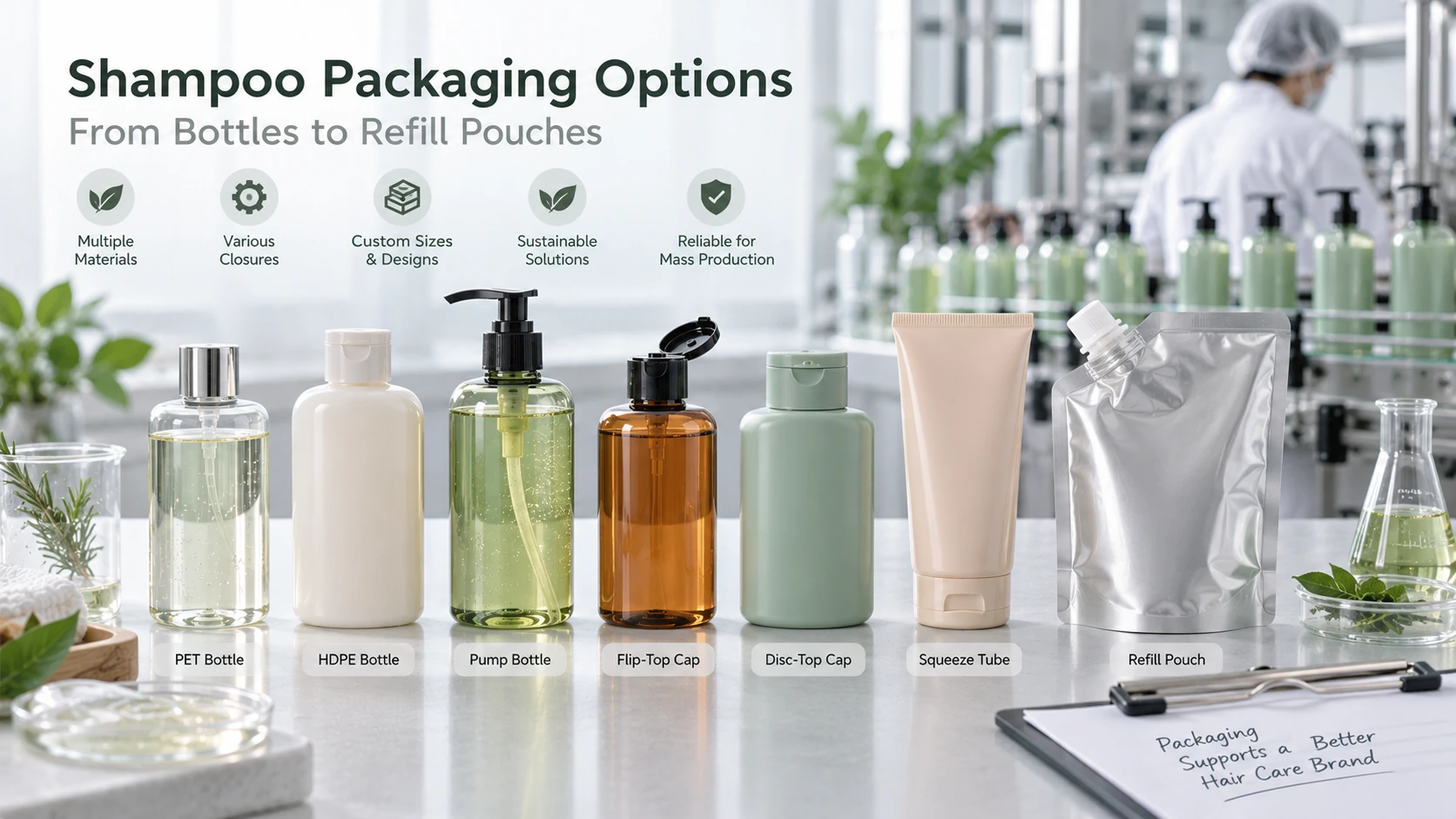
Packaging compatibility should be assessed using the actual bottle, pump or closure selected for the finished product.
Packaging should also be evaluated alongside the approved formula. Our shampoo packaging guide explains how bottles, pumps and closures should be matched with shampoo formulation requirements.
7. Building a Complete Color Care Product Line
Color-safe shampoo can serve as the foundation of a broader hair care collection.
For private label brands, expanding into complementary products creates opportunities to offer a more complete routine while maintaining consistent product positioning.
A coordinated range may include a color-safe shampoo for routine cleansing, a matching color-care conditioner for softness and manageability, and color-care hair mask for additional conditioning care.
For blonde and platinum hair, a separate purple toning shampoo may also be considered as a specialized product. Its purpose is different from that of a regular color-safe shampoo because it uses color-depositing pigments to help adjust unwanted tones.
The visual identity can remain consistent across the collection through coordinated packaging, fragrance direction and product naming, while each formula is developed for its own purpose.
This approach allows brands to start with a core shampoo and conditioner pair before introducing additional products as their collection grows.
8. Custom Color-Safe Shampoo Development With Poleview
Poleview Biotechnology Group Co., Ltd. supports private label hair care brands with customized shampoo formulation and OEM/ODM manufacturing services.
For color-care projects, development can focus on cleansing performance, conditioning level, formula pH, fragrance, texture and the intended color-treated hair segment.
Whether a brand is developing a gentle daily color-safe shampoo, a sulfate-free cleansing concept or a coordinated shampoo and conditioner range, the formula should be designed around its target consumers and evaluated through appropriate testing.
From initial product briefs and sample development to formula adjustment, packaging coordination and commercial production, Poleview helps brands move their color-care concepts toward finished products.
Explore our custom hair shampoo manufacturing services to discuss your private label color-care project.
Color-Safe Shampoo FAQ
Q: 1. What makes a shampoo safe for color-treated hair?
A: A color-safe shampoo is designed to cleanse color-treated hair while helping maintain its appearance and manageability. Its performance depends on the surfactant system, conditioning ingredients, pH and complete formulation. Appropriate color-retention testing can help support product claims.
Q: 2. Is sulfate-free shampoo better for color-treated hair?
A: Not automatically. Sulfate-free formulas are a common direction for color-care products, but the complete cleansing system determines the finished performance. Both sulfate-based and sulfate-free formulations should be evaluated according to the intended use and color-retention requirements.
Q: 3. What is the difference between color-safe shampoo and purple shampoo?
A: Color-safe shampoo focuses on routine cleansing and helping maintain the appearance of color-treated hair. Purple shampoo is a type of color-depositing or toning shampoo designed to help neutralize unwanted yellow-looking tones in blonde or light-colored hair.
Q: 4. How is color protection tested in shampoo?
A: Color protection can be evaluated using dyed hair tresses subjected to controlled washing cycles. Changes in color appearance can be assessed visually or through suitable instrumental measurements, alongside hair-feel and formula stability evaluations.
Q: 5. Can I develop a custom color-safe shampoo with an OEM manufacturer?
A: Yes. Private label brands can customize the cleansing system, conditioning ingredients, pH, fragrance, texture and packaging according to their target hair color segment and market requirements. Testing should be planned around the intended product claims.
Conclusion
Developing a successful color-safe shampoo requires more than selecting mild cleansing ingredients. The formula needs to balance cleansing performance, conditioning, pH, stability and the specific needs of color-treated hair.
Different color types may also require different product directions, from everyday color-care shampoo to specialized toning concepts.
For private label brands, a clear product strategy combined with appropriate formulation development and performance testing can help create a color-care collection that meets consumer expectations and supports long-term product growth.