Whipped soap has become one of the most eye-catching products in modern bath and body care. With its fluffy texture, creamy lather and dessert-like appearance, it looks more like whipped cream or frosting than a traditional cleansing product. This unique look makes it popular for self-care routines, gift sets, social media content, spa products and private label body care collections.
For DIY users, whipped soap is fun to make and easy to customize with fragrance, color and texture. For beauty brands, it is more than a trend. Whipped soap can be developed into a body wash, shaving cream, hand cleanser, foaming scrub, seasonal gift product or premium bath care SKU.
This guide explains how to make whipped soap, which ingredients and tools are commonly used, what mistakes to avoid, and how private label brands can develop stable, market-ready whipped soap products with professional manufacturing support.
For beauty brands planning to launch this product format, working with a private label whipped soap manufacturer can help turn a creative DIY-style idea into a stable, retail-ready product.

What Is Whipped Soap?
Whipped soap is a creamy, aerated cleansing product made by whipping a soap base or surfactant-based cleansing base into a soft, fluffy texture. Unlike traditional bar soap, it is usually packed in jars and scooped out for use. Unlike liquid body wash, it has a thicker mousse-like texture that feels more indulgent during application.
A well-made whipped soap should spread easily, create a satisfying lather and rinse off cleanly. Depending on the formula, it may also include moisturizing ingredients, exfoliants, fragrance, colorants or botanical extracts.
Whipped soap is popular because it combines cleansing performance with a strong sensory experience. The texture, color, scent and packaging all influence how consumers perceive the product. It can also work as part of a broader custom soap product line, especially for brands that want to combine traditional soap, whipped soap and decorative bath products.
What Is Whipped Soap Used For?
Whipped soap is versatile, which is one reason many beauty brands add it to their product lines.
Body Wash
Whipped soap can be used as a creamy body cleanser in the shower. Consumers scoop a small amount, apply it to wet skin or a bath sponge, and work it into a rich lather. Brands that prefer a more fluid shower product can also explore custom body cleanser formulas for daily body wash lines.
Hand Cleanser
Because of its soft texture and easy-rinse formula, whipped soap can also be used as a hand cleanser, especially in gift sets or decorative bathroom products.
Shaving Cream
Many consumers use whipped soap as a shaving cream alternative because the fluffy texture provides a smooth glide. For this use, brands should make sure the formula has suitable slip, foam and rinse-off performance.
Foaming Scrub Base
Whipped soap can be combined with sugar, salt or gentle exfoliating particles to create a whipped soap scrub. This format offers both cleansing and exfoliating benefits and is attractive for higher-value body care lines. For exfoliating body care collections, foaming body scrub development can help combine cleansing texture with sugar, salt or other exfoliating particles.
Gift and Seasonal Products
Whipped soap is especially suitable for holiday collections, birthday gift boxes, spa sets and limited-edition launches. Its decorative appearance makes it highly giftable and visually appealing.
Spa and Self-Care Products
With the right fragrance and texture, whipped soap can be positioned as part of a spa-inspired bath routine. Lavender, vanilla, coconut, rose, citrus and dessert-inspired scents are common choices for self-care collections.
Why Whipped Soap Is Popular with Modern Consumers
Today's consumers want more than basic cleansing. They are drawn to products that feel enjoyable, look attractive and fit into a lifestyle or self-care routine.
Whipped soap performs well because it offers several advantages.
First, the texture is different from conventional soap. A fluffy, frosting-like texture creates a sense of novelty and luxury. This makes the product feel more premium, even when used for everyday cleansing.
Second, whipped soap is highly visual. Colorful swirls, layered designs, frosting-style piping and decorative finishes make it suitable for e-commerce images, short videos and social media marketing.
Third, the product is multi-functional. It can be positioned as a body cleanser, shaving product, scrub base or giftable bath item. This flexibility allows brands to create multiple SKUs from one product format.
Finally, whipped soap matches the growth of self-care culture. Consumers increasingly view bath and body products as part of a relaxing personal ritual, not just a hygiene necessity.
Basic Ingredients for DIY Whipped Soap
A simple DIY whipped soap can be made with a ready-made whipped soap base or cream soap base. For brands developing soap-based collections, custom soap base options can also support different textures, colors, ingredient stories and positioning. This is the safest and easiest option for beginners because the base is already designed for cleansing, whipping and preservation.
Common ingredients include:
Whipped Soap Base or Cream Soap Base
This is the foundation of the formula. It provides cleansing performance, foam and structure. Beginners should use a ready-made base instead of trying to build a surfactant system from scratch.
Glycerin
Glycerin is commonly used in rinse-off products to support a softer skin feel. It can also help improve the texture of the finished whipped soap.
Carrier Oils or Butters
Small amounts of oils or butters such as coconut oil, sweet almond oil, jojoba oil or shea butter may be added for skin feel. However, adding too much oil can reduce foam, weaken structure or cause separation.
Fragrance or Essential Oil
Fragrance gives whipped soap its sensory appeal. Always follow the recommended usage level from the fragrance supplier and make sure the fragrance is suitable for rinse-off cosmetic products.
Colorants
Mica, cosmetic colorants or water-soluble colors can be used to create swirls, layers or decorative designs. Colorants should be cosmetic-grade and suitable for the intended product type.
Preservative
If the formula contains water or may be exposed to water during use, a suitable broad-spectrum preservative is important. This is especially important because whipped soap is often stored in humid bathroom environments.
Exfoliants
Sugar, salt or gentle natural exfoliants can be added to create a whipped soap scrub. Exfoliant choice should match the target skin feel and product positioning.
Tools You Need to Make Whipped Soap
For a basic DIY whipped soap, you will need:
- Digital scale
- Mixing bowl
- Hand mixer or stand mixer
- Spatula
- Measuring spoons or pipettes
- Thermometer
- Gloves
- Piping bag and piping tip
- Clean cosmetic jars
- Labels for date and batch notes
A scale is especially important. Measuring by weight is more accurate than measuring by volume and helps improve consistency between batches.
How to Make Whipped Soap Step by Step
The following method is suitable for small DIY practice batches using a ready-made whipped soap base. It is not a commercial manufacturing formula.
Step 1: Prepare Your Workspace
Clean and sanitize your tools, bowls, spatulas and jars. Wash your hands and wear gloves. Keep water away from the finished product as much as possible.
Good hygiene is important because whipped soap is usually stored in jars and used in bathrooms where moisture exposure is common.
Step 2: Weigh the Whipped Soap Base
Place your mixing bowl on the scale and weigh the required amount of whipped soap base. For a small trial batch, start with a manageable amount so you can adjust fragrance, color and texture more easily.
Step 3: Soften the Base
If the base is too firm, gently soften it according to the supplier's instructions. Avoid overheating. Excessive heat can affect texture and make whipping more difficult.
Step 4: Begin Whipping
Use a hand mixer or stand mixer to whip the base until it becomes lighter, softer and more aerated. Scrape the sides of the bowl regularly to make sure the texture is even.
The whipping time depends on the base, mixer speed and batch size. The goal is a smooth, fluffy texture that can hold shape.
Step 5: Add Glycerin, Oils or Other Additives Carefully
Add glycerin, oils, butters or other additives slowly. Do not add too much oil, as this can reduce foam and cause the product to collapse or separate.
If you are using a ready-made base, follow the supplier's recommended additive limits.
Step 6: Add Fragrance and Color
Add fragrance at the recommended usage level. Then add color gradually until you achieve the desired appearance.
For a swirl effect, divide the whipped soap into separate bowls, color each portion, then pipe or layer them together.
Step 7: Whip Again Until Smooth
After adding fragrance and color, whip the mixture again until the texture is smooth and even. Avoid over-whipping if the product begins to lose structure.
Step 8: Pipe into Jars
Transfer the whipped soap into a piping bag and pipe it into clean jars. You can create frosting-style peaks, layers or decorative swirls.
Clear jars are useful because they show the product's texture and color.
Step 9: Cap, Label and Store
Close the jars and label them with the batch date. Store the product in a cool, dry place away from direct sunlight.
For DIY personal use, make small batches and use them within a reasonable time. For commercial sale, professional stability testing, preservative validation and labeling review are necessary.
Common DIY Whipped Soap Mistakes and How to Fix Them
Whipped soap looks simple, but formula balance and processing control are important. Many DIY failures come from too much oil, weak structure, poor preservation or incorrect storage.
Problem 1: Whipped Soap Deflates
If whipped soap loses volume or collapses, the formula may not have enough structure. It may also have been overfilled with oils, heated too much or whipped under poor processing conditions.
For DIY batches, use a stable ready-made base and avoid adding too many heavy oils or butters.
For commercial production, manufacturers usually rely on controlled whipping equipment and standardized processing conditions to improve batch consistency.
Problem 2: The Texture Becomes Watery
A watery texture may come from too much liquid additive, fragrance incompatibility or poor base selection.
Use liquid ingredients carefully and test each fragrance before making larger batches.
Problem 3: Oil Separation
Oil separation usually happens when the formula contains too much oil or when the emulsification and structure are not strong enough.
Use oils at a low level and make sure they are compatible with the base. For private label production, the formula should be tested before bulk manufacturing.
Problem 4: Weak Foam
Whipped soap should still cleanse and lather well. Too much oil, butter or exfoliant can reduce foam performance.
If foam is weak, reduce heavy additives or use a base with stronger lathering performance.
Problem 5: Fragrance Changes Over Time
Some fragrances may discolor the product, weaken the texture or fade during storage. Vanilla, citrus and complex fragrance blends can sometimes affect the finished product.
Commercial products should go through fragrance compatibility and stability review before launch.
Problem 6: Mold or Spoilage Risk
Whipped soap is often used in wet bathrooms. If water enters the jar or the formula is not properly preserved, microbial risk increases.
For DIY use, avoid introducing water into the jar. For commercial sale, a suitable preservation system and stability testing are essential.
DIY Whipped Soap vs Commercial Whipped Soap
DIY whipped soap is a fun way to understand the product format, test colors and explore fragrance ideas. However, a DIY formula is not the same as a market-ready product.
Commercial whipped soap requires a more controlled development process. A professional manufacturer needs to consider texture stability, foam performance, fragrance retention, preservation, packaging compatibility, batch consistency and regulatory requirements.
| Factor | DIY Whipped Soap | Commercial Whipped Soap |
|---|---|---|
| Purpose | Personal use or small trials | Retail, e-commerce, wholesale or gift sets |
| Formula Control | Basic base and simple additives | Controlled surfactant, stabilizer and preservative system |
| Stability | Limited home testing | Stability, texture and packaging review |
| Preservation | Often overlooked by beginners | Required for safe shelf stability |
| Batch Consistency | Difficult to repeat exactly | Standardized production process |
| Labeling | Simple personal label | Cosmetic label and compliance review |
| Packaging | Small jars | Retail jars, gift boxes, shipping cartons |
If you plan to sell whipped soap, do not rely only on a home recipe. Commercial products should be developed with proper manufacturing, documentation and quality checks.

Private Label Whipped Soap Development for Beauty Brands
For beauty brands, whipped soap offers strong development potential because it is visually attractive, easy to customize and suitable for many sales channels.
For E-Commerce Brands
Whipped soap photographs well and works effectively in product videos. Swirls, layers, frosting-style piping and colorful textures can help improve listing appeal and social media engagement.
For Gift Set Companies
Whipped soap is ideal for holiday gift boxes, birthday sets, spa kits and limited-edition collections. Fragrance and packaging can be adjusted for Christmas, Valentine's Day, Mother's Day or summer collections.
For Spa and Wellness Brands
Spa brands can position whipped soap as a premium cleansing ritual. Soft textures, calming scents and elegant packaging can support a relaxing self-care experience.
For Retailers and Distributors
Retail buyers often need products that look attractive on shelves and have stable quality across batches. Whipped soap can be developed in clear jars, gift packaging or seasonal collections to improve shelf appeal.
For Private Label Beauty Brands
Whipped soap allows brands to develop unique fragrance stories, color themes, exfoliating variants and clean beauty formulas without building a highly complex skincare product line.
Formula Customization Options
A successful whipped soap product should be designed around the target market, price range, sensory experience and sales channel. These formula directions can also be expanded into a complete bath and body care line with matching body scrubs, body washes, body butters and gift sets.
Clean Beauty Formulas
Brands may request formulas positioned as sulfate-free, paraben-free, silicone-free, vegan or cruelty-free. These claims should be supported by the actual formula and documentation.
Moisturizing Feel
Ingredients such as glycerin, shea butter, coconut oil, sweet almond oil, jojoba oil or vitamin E can be used to improve the after-feel of rinse-off products.
The formula should still maintain good foam and rinse-off performance.
Botanical Concepts
Aloe vera, chamomile extract, green tea extract, calendula extract or other botanical ingredients can help create a more natural and premium product story.
Exfoliating Whipped Soap Scrub
Sugar, salt or gentle exfoliating particles can turn whipped soap into a foaming scrub. This format provides a higher perceived value and is popular for body care gift sets.
Clay and Charcoal Variants
Kaolin clay, pink clay, green clay or activated charcoal can be used for visual differentiation and product storytelling. Claims should remain cosmetic and suitable for rinse-off cleansing products.
Signature Fragrances
Fragrance is one of the strongest drivers of repeat purchase in whipped soap. Popular directions include vanilla, coconut, lavender, rose, citrus, berry, tropical fruit, sandalwood and dessert-inspired scents.
Decorative Colors and Swirls
Whipped soap can be customized with pastel colors, bright swirls, layered designs, glitter effects or frosting-style piping. Visual design should match the brand's target customer and retail channel.
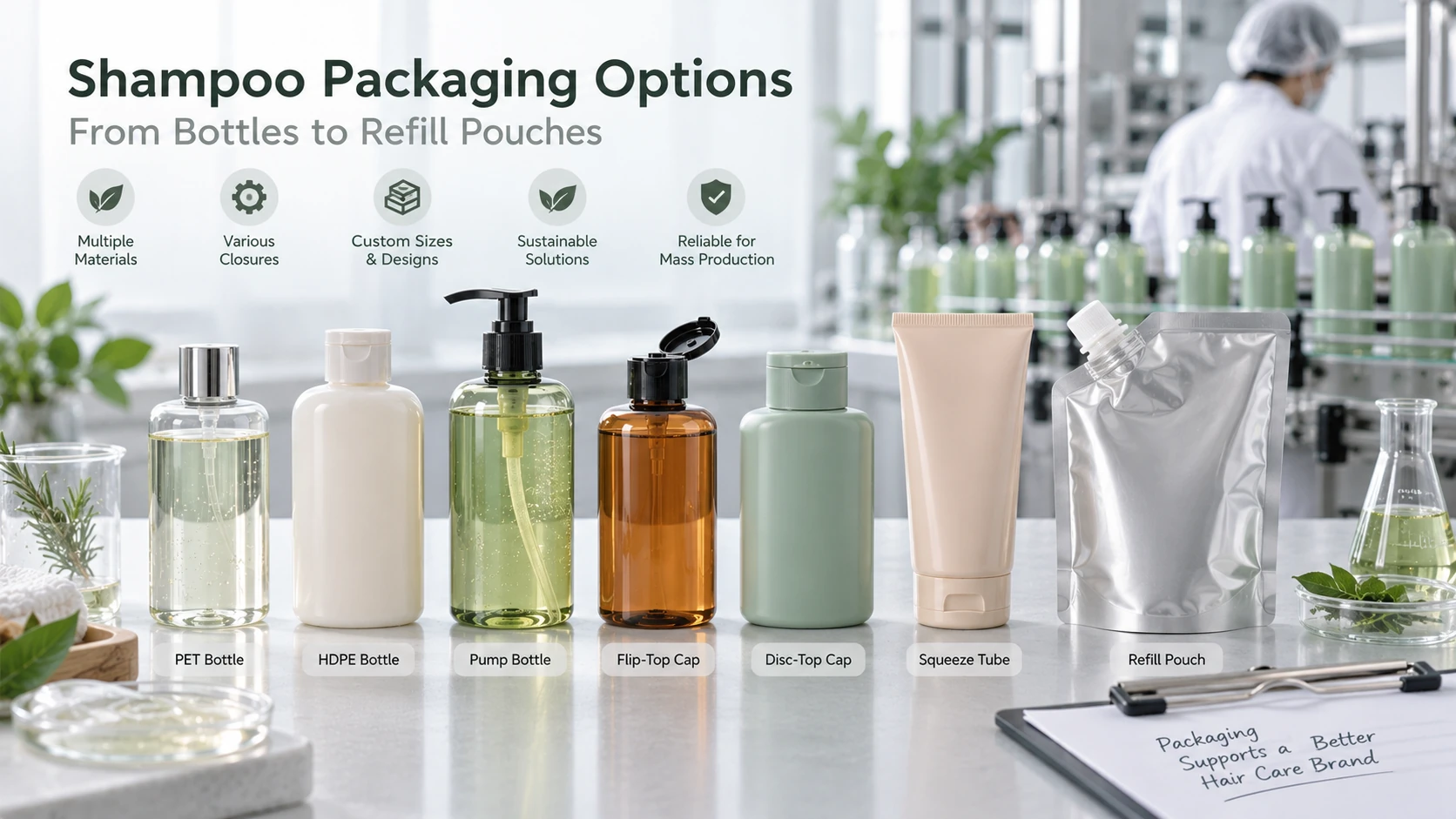
Packaging Options for Whipped Soap
Packaging is especially important for whipped soap because consumers often buy it for visual appeal. The packaging should protect the product while showing its texture and color.
Clear PET Jars
Clear PET jars are one of the most popular choices. They are lightweight, durable and allow consumers to see the whipped texture, swirls and layers.
Glass Jars
Glass jars support premium positioning and luxury gift sets. However, they are heavier and may increase shipping cost and breakage risk.
Aluminum Jars
Aluminum jars can support a modern, recyclable and travel-friendly image. They are suitable for eco-conscious personal care lines.
Wide-Mouth Jars
Whipped soap is usually scooped by hand or with a small spatula, so wide-mouth jars improve ease of use.
Gift Boxes
For seasonal and holiday collections, gift boxes can increase perceived value. Whipped soap pairs well with bath bombs, body scrubs, body butter and shower steamers in gift sets.
Refill and Sustainable Packaging
Some brands may explore refill systems, PCR plastic, recyclable jars or reduced-plastic packaging to support sustainability positioning.
Packaging should be tested for compatibility, sealing performance and shipping durability before mass production.
Quality Control for Commercial Whipped Soap
Whipped soap quality depends on both the formula and the production process. Before bulk production, brands should confirm key performance points.
Important quality checks may include:
Raw material inspection
Formula mixing consistency
Whipping time and texture control
Product density and volume check
Foam performance review
Fragrance compatibility review
Color stability check
Preservation system review
Packaging sealing inspection
Batch appearance comparison
Stability and storage observation
Carton protection for shipping
These checks help reduce common problems such as texture collapse, oil separation, fragrance changes, leakage and batch inconsistency.
Private Label vs Custom Whipped Soap Formulation
Brands usually choose between private label whipped soap and fully custom formulation.
Private Label Whipped Soap
Private label whipped soap uses an existing formula that can be customized with fragrance, color, packaging and brand label.
This option is suitable for startups, Amazon sellers, small beauty brands and market testing projects. It usually offers faster launch time, lower development cost and reduced complexity.
Custom Whipped Soap Formulation
Custom formulation is developed around a brand's specific texture, ingredient story, fragrance direction, color theme and market positioning.
This option is better for established beauty brands, retail chains, international distributors and premium product lines that need stronger differentiation and long-term competitiveness.
The best choice depends on your budget, launch timeline, target customer and product strategy.
How to Choose a Whipped Soap Manufacturer
Choosing a whipped soap manufacturer is not only about comparing price or MOQ. Because whipped soap has a soft, aerated structure, the supplier must understand how to keep the texture stable during production, storage and shipping. A formula that looks beautiful in a sample jar may still fail in bulk production if the whipping process, preservation system or packaging compatibility is not properly controlled.
A qualified manufacturer should be able to support your project from formula development to finished packaging. This includes adjusting the texture, foam level, fragrance direction, color design and exfoliating ingredients according to your target market. For example, an e-commerce brand may need visually attractive swirls and dessert-inspired scents, while a spa or retail brand may focus more on a smooth texture, elegant fragrance and premium packaging.
A reliable partner should provide OEM personal care manufacturing support from sample development and formula adjustment to filling, packaging, quality control and export documentation.
Quality control is another key point. Before moving into bulk production, the manufacturer should review texture stability, foam performance, fragrance compatibility, color consistency, preservation system and packaging sealing. These details help reduce common problems such as product deflation, oil separation, weak lather, leakage or inconsistent appearance between batches.
For private label projects, it is also important to check whether the supplier can provide packaging design support, label review, export documents and flexible customization options. A good manufacturing partner should help you build a product that looks appealing, performs consistently and fits your sales channel, rather than simply filling jars with a standard formula.
The lowest-cost supplier is not always the safest choice. In whipped soap production, poor stability or inconsistent batch appearance can quickly lead to customer complaints, negative reviews and brand reputation damage.
Developing Private Label Whipped Soap with Poleview
For private label whipped soap projects, Poleview helps brands move from a product idea to a production-ready formula. Instead of offering only a standard base, we can adjust the texture, fragrance, color, exfoliating ingredients and packaging style according to your target customer and sales channel.
Some brands want a soft whipped body soap with a clean, creamy texture. Others may prefer a sugar scrub version, a shaving cream-style formula, or a dessert-inspired product designed for gift sets and e-commerce displays. For spa and wellness collections, fragrance direction and skin feel are often more important, while seasonal product lines may focus on color swirls, visual appeal and gift-ready packaging.
During development, our team can help review the key details that affect product success: formula stability, foam performance, fragrance compatibility, color consistency, jar selection, label layout and export documentation. These details are especially important for whipped soap because the product needs to look attractive while staying stable during storage and shipping.
Whether you are launching a new bath and body brand or adding whipped soap to an existing product range, Poleview can support sample development, formula adjustment, packaging selection and bulk production. The goal is to create a whipped soap product that fits your brand positioning, performs consistently and is ready for retail, e-commerce or wholesale distribution.
Final Thoughts
Whipped soap is easy to love because it combines cleansing, texture, fragrance and visual appeal in one product. For DIY users, it is a fun and creative bath product to make at home. For beauty brands, it is a flexible product format that can be developed into body cleansers, shaving products, foaming scrubs, spa products and seasonal gift sets.
However, making whipped soap for personal use is very different from producing a product for commercial sale. A market-ready whipped soap needs stable texture, reliable foam, suitable preservation, fragrance compatibility, packaging protection and consistent batch quality.
If you are planning to develop a private label whipped soap product, Poleview can help with formula development, sample testing, fragrance and color customization, packaging design and bulk production.
A successful whipped soap product should not only look beautiful. It should also feel good, perform reliably and fit your brand's target market. If you are planning to develop a whipped soap product for retail, e-commerce, spa or wholesale channels, you can request a custom whipped soap quote and discuss formula, fragrance, packaging and sample options with our team.
FAQ About Whipped Soap
Q: 1. What is whipped soap?
A: Whipped soap is a fluffy, cream-like cleansing product made by whipping a soap or cleansing base into a soft texture. It is usually packed in jars and used as a body wash, hand cleanser, shaving product or foaming scrub base.
Q: 2. Can I make whipped soap at home?
A: Yes. DIY whipped soap can be made with a ready-made whipped soap base, fragrance, color and small amounts of additives. For personal use, it is best to make small batches and follow the base supplier's instructions.
Q: 3. Why does whipped soap deflate?
A: Whipped soap may deflate because of weak formula structure, too much oil, overheating, over-whipping or poor processing control. Commercial formulas usually require stabilizing ingredients and standardized whipping conditions.
Q: 4. Does whipped soap need a preservative?
A: If the formula contains water or may be exposed to water during use, a suitable broad-spectrum preservative is important. Commercial products should have a proper preservation system and stability review.
Q: 5. Can whipped soap be used as shaving cream?
A: Many consumers use whipped soap as a shaving cream alternative because of its creamy texture. For this purpose, the formula should provide good slip, foam and rinse-off performance.
Q: 6. Can I add sugar to whipped soap?
A: Yes. Sugar can be added to create a whipped soap scrub. The amount and particle size should be tested to make sure the product still feels comfortable and rinses well.
Q: 7. What packaging is best for whipped soap?
A: Clear PET jars are common because they show the texture and color. Glass jars, aluminum jars, wide-mouth jars and gift boxes can also be used depending on brand positioning and sales channel.
Q: 8. Can brands create private label whipped soap?
A: Yes. Beauty brands can create private label whipped soap with custom fragrance, color, texture, exfoliant, packaging and label design. A professional manufacturer can help with formula stability, preservation, quality control and bulk production.