Magnesium oil has become a popular topical wellness product in recent years. It is commonly seen in post-workout care, massage routines, evening self-care products, spa treatments and natural wellness collections.
But what does magnesium oil actually do for the body? Is it really an oil? Can it be absorbed through the skin? Why does it sometimes tingle? And how can wellness brands develop magnesium oil products in a responsible and marketable way?
This guide explains what magnesium oil is, how it is commonly used, what consumers should know before applying it, and how beauty and wellness brands can develop private label magnesium oil sprays, roll-ons, lotions or body care products for different sales channels.
For brands planning to enter the topical wellness category, working with a private label body care manufacturer can help turn magnesium oil concepts into spray, roll-on, lotion or body care products.

What Is Magnesium Oil?
Magnesium oil is not a true oil. It is usually a solution made with magnesium chloride and water. The reason it is called "oil" is because it can feel slightly slippery or silky when applied to the skin.
Most magnesium oil products are designed for topical use. They are commonly applied to areas such as the legs, shoulders, arms, feet or back as part of a massage, post-workout body care or evening relaxation routine.
For consumers, magnesium oil is often valued because it is simple to use, fast to apply and easy to include in daily wellness habits. For brands, it is a flexible product category that can be developed into sprays, roll-ons, lotions, body butters, bath products and spa-inspired body care collections.
This is why many wellness brands develop magnesium oil within broader private label body oil products, including sprays, massage oils and targeted topical formats.
Why Is Magnesium Oil So Popular?
The popularity of magnesium oil is connected to the wider growth of self-care, active lifestyles and natural wellness products.
Many consumers are looking for simple topical products that fit into their daily routines. Instead of only buying traditional body lotions or massage oils, they are exploring products that combine skincare, wellness and sensory experience.
Magnesium oil products are commonly marketed for:
- Post-workout body care
- Massage routines
- Evening self-care
- Spa and wellness treatments
- Active lifestyle support
- Natural body care collections
- Travel-friendly wellness products
This does not mean magnesium oil should be positioned as a medical treatment. A more responsible approach is to present it as a topical wellness product that supports a relaxing body care routine, especially when combined with massage, rest and proper usage guidance.
What Does Magnesium Oil Do for the Body?
Magnesium oil is commonly used as part of topical body care routines. Its main role is not to replace medical treatment or dietary magnesium intake, but to provide a targeted wellness experience on the skin.
1. Supports a Post-Workout Body Care Routine
Many active consumers use magnesium oil after exercise. It is often sprayed or massaged onto areas such as legs, calves, shoulders or arms.
From a product positioning perspective, magnesium oil fits well into sports recovery-inspired body care lines. However, brands should avoid promising that it treats muscle pain, cramps or medical conditions unless such claims are properly supported and allowed in the target market.
A safer and more professional expression is:
"Commonly used after exercise as part of a massage and body care routine."
2. Adds a Relaxing Step to Evening Self-Care
Magnesium oil is also popular in evening self-care routines. Some consumers apply it before bed because they enjoy the feeling of massage, cooling sensation or a calming fragrance such as lavender or chamomile.
It is better to avoid direct claims such as "improves sleep" or "reduces stress." Instead, brands can describe the product as:
"Designed for evening relaxation rituals and calming self-care routines."
This language is more suitable for personal care and wellness positioning.
3. Creates a Targeted Topical Sensation
Magnesium oil can create a distinctive topical sensation. Some users feel a light tingling or warming feeling after application, especially on dry or sensitive skin.
This sensation does not necessarily mean the body is deficient in magnesium. It is more likely related to the concentrated salt solution and the condition of the skin.
For brands, clear usage instructions are important. Consumers should understand that tingling may occur, and they should patch test before regular use.
4. Works Well with Massage Applications
Magnesium oil is often used during massage because it is easy to apply to specific body areas. It can be combined with a simple massage routine for legs, shoulders, feet or the back.
Brands can develop magnesium oil sprays or roll-ons for targeted use, or magnesium lotions and body butters for a gentler skincare-style experience.
5. Fits Spa and Wellness Product Lines
Because magnesium oil aligns with natural wellness, massage care and relaxation rituals, it is suitable for spa products, wellness gift sets, resort retail and premium body care lines.
With the right fragrance, packaging and ingredient story, magnesium oil can be positioned as part of a broader self-care collection rather than a standalone functional spray.
Can Magnesium Oil Be Absorbed Through the Skin?
This is one of the most common questions about magnesium oil.
Topical magnesium products are popular, but the scientific evidence for meaningful systemic magnesium absorption through intact skin is still limited. For this reason, magnesium oil should not be marketed as a reliable way to correct magnesium deficiency or replace dietary magnesium intake.
Consumers who are concerned about magnesium deficiency, muscle cramps, sleep problems or other health concerns should consult a healthcare professional.
For personal care and wellness brands, the safest approach is to position magnesium oil as a topical body care product used in massage, relaxation and self-care routines, rather than as a medical or supplement product.
Magnesium Oil Spray, Roll-On, Lotion and Body Butter
Magnesium oil can be developed into several product formats. Each format offers a different consumer experience and market positioning.
| Product Format | Best For | Brand Positioning |
|---|---|---|
| Magnesium Oil Spray | Quick application and large body areas | Sports recovery, daily wellness, post-workout care |
| Magnesium Roll-On | Targeted application and travel use | Portable wellness, pressure point care, on-the-go body care |
| Magnesium Lotion | Softer skin feel and daily use | Beauty and wellness crossover, family-friendly body care |
| Magnesium Body Butter | Rich texture and premium self-care | Spa, luxury wellness, dry skin body care |
| Magnesium Bath Products | Full-body soaking routines | Relaxation, bath care, wellness gift sets |
Choosing the right format depends on your target consumer, sales channel, texture preference and claim direction.
For example, Amazon sellers may prefer sprays because they are easy to demonstrate and understand. Spa brands may choose lotions or body butters for a more luxurious experience. Travel wellness brands may prefer roll-ons because they are compact and easy to apply.For brands that want a softer skincare-style format, custom body cream products can also be developed with magnesium-inspired wellness positioning.
How to Use Magnesium Oil Safely
Magnesium oil is simple to use, but proper guidance helps improve customer experience and reduce complaints.
Start with a Patch Test
Before applying magnesium oil to larger areas, users should test a small amount on one area of skin. This is especially important for people with sensitive or dry skin.
Apply to Clean Skin
Magnesium oil can be applied to clean, dry skin. Common application areas include legs, feet, shoulders, arms and back.
Avoid Broken or Irritated Skin
Magnesium oil should not be applied to broken, freshly shaved, irritated or highly sensitive skin, as it may cause discomfort.
Use a Small Amount First
A few sprays are enough for the first use. Users can gradually adjust the amount based on their skin comfort and product instructions.
Wash Off If Needed
Some consumers prefer to leave magnesium oil on the skin, while others rinse it off after a short period. If tingling or discomfort occurs, the product can be washed off with water.
Follow Label Instructions
Different formulas may have different concentrations and usage directions. Consumers should always follow the product label and avoid using more than recommended.
Why Does Magnesium Oil Tingle?
Tingling is a common consumer concern with magnesium oil. It may feel like a light prickling, warming or salty sensation on the skin.
This does not automatically mean the user is low in magnesium. Magnesium oil is a concentrated mineral salt solution, and salt-based topical products can feel strong on dry, sensitive or freshly shaved skin.
To improve user experience, brands can consider:
- Lower concentration formulas
- Aloe vera or moisturizing ingredients
- Magnesium lotion instead of spray
- Clear patch test instructions
- "May tingle" explanation on the label
- Gentle use directions for first-time users
For consumers who find sprays too strong, magnesium lotion, cream or body butter may provide a more comfortable alternative.
Who Should Be Careful When Using Magnesium Oil?
Magnesium oil is widely used as a topical wellness product, but some people should be more cautious.
People with very sensitive skin, broken skin, eczema-prone skin, allergies or irritation should patch test first. Pregnant or breastfeeding users, children, people with kidney disease, and anyone using medication or managing a medical condition should consult a qualified healthcare professional before use.
Brands should avoid giving medical advice on product labels or marketing pages. Instead, clear and responsible usage guidance can help build consumer trust.
Common Ingredients Used in Magnesium Oil Products
Magnesium chloride is usually the main ingredient in magnesium oil. To improve skin feel, fragrance, positioning and consumer experience, brands often add supporting ingredients.Aloe vera, lavender, chamomile and botanical extracts can also be used in custom topical body oil formulas for different wellness product lines.
Aloe Vera
Aloe vera is commonly used to create a softer and more comfortable skin feel. It is especially useful for products designed for daily use or sensitive-feeling skin positioning.
Lavender
Lavender is popular in evening self-care and relaxation-themed products. It gives the formula a familiar wellness fragrance direction.
Chamomile
Chamomile is often used in calming and gentle body care concepts. It works well in magnesium lotions, creams and roll-ons.
Arnica
Arnica is often used in sports recovery-inspired product positioning. Brands should be careful with claims and focus on the product's role in post-workout body care or massage routines.
Eucalyptus
Eucalyptus provides a refreshing scent and is suitable for spa, active lifestyle and cooling body care concepts.
Botanical Extracts
Botanical extracts can help create a premium natural wellness story. However, ingredient choices should match the target market, product texture and label claims.
Product Ideas for Private Label Magnesium Oil Brands
Magnesium oil is a flexible category for private label development. Brands can build different product lines based on consumer lifestyle, format and sales channel.
Post-Workout Magnesium Oil Spray
This product direction is suitable for fitness consumers, sports recovery-inspired brands and Amazon sellers. It can be packaged in spray bottles with clear application instructions.
Lavender Magnesium Oil Spray
A lavender magnesium spray can be positioned for evening self-care routines and relaxation-focused body care collections.
Magnesium Roll-On
Roll-ons are compact and easy to apply to targeted areas such as shoulders, neck, feet or legs. They are suitable for travel wellness, gym bags and premium portable products.
Magnesium Lotion
Magnesium lotion combines topical magnesium with a more skincare-friendly feel. It is suitable for consumers who find regular magnesium oil too strong or drying.
Magnesium Body Butter
Magnesium body butter offers a rich, premium texture and is suitable for spa brands, dry skin body care and luxury wellness collections.
Fragrance-Free Magnesium Spray
A fragrance-free version can appeal to consumers who prefer simple, low-scent or minimalist formulations.
How Brands Can Differentiate Magnesium Oil Products
As the wellness market becomes more competitive, brands need more than a basic magnesium chloride spray. Product differentiation should come from positioning, format, sensory experience, packaging and consumer education.
Build a Clear Brand Story
A magnesium oil product can be positioned around active living, evening relaxation, spa wellness, travel self-care or natural body care. A clear story helps consumers understand why the product fits their routine.
Choose the Right Product Format
Not every brand needs a spray. A roll-on may work better for travel. A lotion may suit beauty retailers. A body butter may fit premium spa positioning.
Improve Skin Feel
Some consumers dislike the strong or sticky feel of basic magnesium oil. Adding aloe vera, moisturizing ingredients or developing lotion-based formats can improve the user experience.
Use Better Packaging
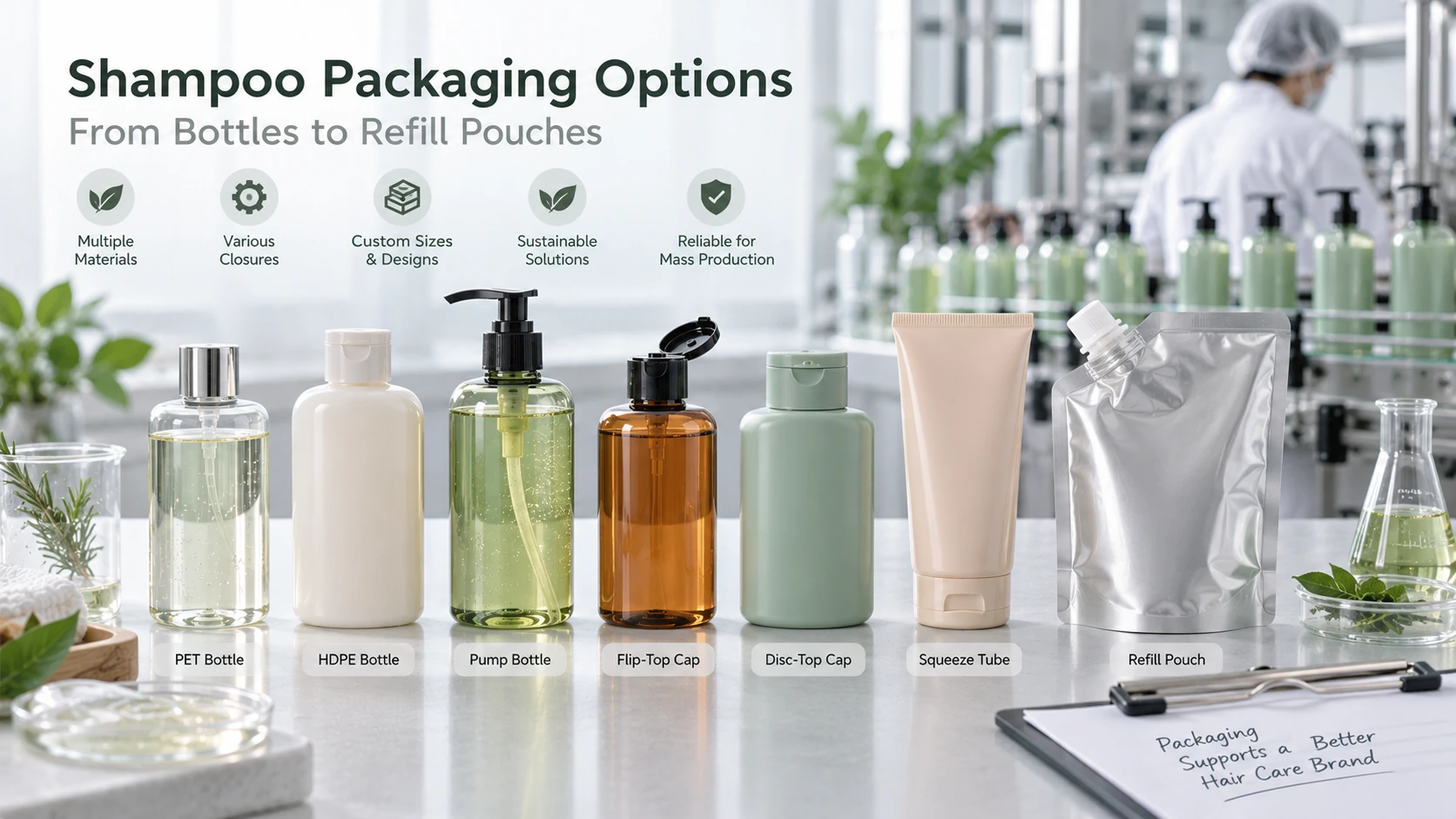
Packaging influences trust and perceived value. Premium spray bottles, roll-on tubes, aluminum bottles, PCR plastic, refill packs and gift boxes can all support different brand strategies.
Create Educational Content
Because many consumers are unfamiliar with magnesium oil, educational content is important. Brands should explain what the product is, how to use it, why tingling may happen and what claims should be understood realistically.
Packaging Considerations for Magnesium Oil Products
Packaging is especially important for magnesium oil because the formula is water-based, mineral-rich and often used in spray or roll-on formats.Packaging compatibility, label review and filling support are usually part of professional OEM personal care manufacturing services.
Spray Bottles
Spray bottles are the most common packaging format. Brands should test spray performance, leakage risk, bottle compatibility and user comfort.
Roll-On Bottles
Roll-ons provide controlled application and a more premium feel. They are suitable for travel-size products and targeted body care.
Lotion Tubes and Pump Bottles
Magnesium lotion may be packed in tubes, pump bottles or jars depending on viscosity and brand positioning.
Aluminum Bottles
Aluminum packaging can support a modern, eco-conscious and premium wellness image. However, compatibility testing is important.
Travel-Size Packaging
Small bottles and roll-ons are useful for gym bags, travel wellness kits and trial-size sets.
Refill and Sustainable Packaging
Eco-conscious consumers may prefer recyclable materials, PCR plastic, refill pouches or reduced-plastic packaging. These options can support a sustainability-focused brand story.
Regulatory and Labeling Considerations
Magnesium oil products are often sold in the wellness and personal care space, but health-related claims must be handled carefully.
Brands should avoid unsupported claims such as treating pain, curing cramps, improving sleep, reducing anxiety, correcting magnesium deficiency or treating medical conditions.
Safer wording may include:
Supports a relaxing self-care routine
Commonly used after exercise as part of body care
Suitable for massage and topical wellness routines
Designed for evening body care rituals
Provides a refreshing topical sensation
Can be used on legs, shoulders, feet or back as directed
The final wording should be reviewed based on the target market, product formula, label requirements and applicable regulations.

Private Label vs Custom Magnesium Oil Formulation
Brands can choose between private label products and fully custom formulations.
Private Label Magnesium Oil
Private label products are usually based on existing formulas that can be customized with branding, packaging and label design.
This option is suitable for startups, Amazon sellers, small wellness brands and market testing projects. It usually offers faster launch times, lower development costs and lower risk.
Custom Magnesium Oil Formulation
Custom formulation gives brands more control over texture, fragrance, ingredient story, concentration, packaging and product positioning.
This option is more suitable for established wellness brands, retail chains, international distributors and premium product lines that need stronger differentiation.
The best choice depends on budget, launch timeline, target market and long-term brand strategy.
How to Choose a Magnesium Oil Manufacturer
Choosing the right manufacturer is important for product quality, brand reputation and long-term business growth.A capable custom body care manufacturer should support formulation, packaging, quality control and export documentation for wellness-focused products.
A reliable magnesium oil manufacturer should offer:
Formula development support
Experience with topical magnesium products
Spray, roll-on, lotion or body care production capability
Packaging compatibility testing
Fragrance and ingredient customization
Quality control during production
Private label packaging support
SDS/MSDS, COA and ingredient documentation
Clear communication and export support
Flexible support for trial orders and future scaling
For brands selling in the US, Europe or other regulated markets, documentation and responsible claim support are especially important.
Developing Magnesium Oil Products with Poleview
Poleview supports OEM and private label development for personal care and wellness brands. For magnesium oil projects, we can help with formula direction, product format selection, fragrance options, packaging design, sample development and export documentation.
Whether you are planning to launch a magnesium oil spray, roll-on, lotion, body butter or wellness gift set, our team can support product development based on your brand positioning, target market and sales channel.
We can help you develop magnesium oil products for:
- Amazon and Shopify sellers
- Wellness brands
- Sports recovery-inspired product lines
- Spa and massage care brands
- Beauty retailers
- Importers and distributors
- Private label body care collections
A successful magnesium oil product should be easy to understand, comfortable to use, clearly positioned and supported by responsible labeling.
Final Thoughts
Magnesium oil is commonly used as a topical wellness product for massage, post-workout body care, evening self-care and spa-inspired routines. It is valued for its convenience, targeted application and strong fit with modern wellness lifestyles.
However, brands and consumers should understand its limits. Evidence for systemic magnesium absorption through the skin remains limited, and magnesium oil should not be positioned as a treatment for medical conditions or a replacement for professional healthcare advice.
For wellness brands, magnesium oil offers many product development opportunities. Sprays, roll-ons, lotions, body butters and bath products can all be customized for different markets and consumer needs.
By focusing on responsible claims, comfortable skin feel, strong packaging, clear usage guidance and reliable manufacturing, brands can build magnesium oil products that are both marketable and trustworthy.
If you are planning to develop a magnesium oil spray, roll-on, lotion or body butter product, you can request a custom magnesium oil quote and discuss formula, packaging and label options with our team.
FAQ About Magnesium Oil
Q: 1. What does magnesium oil do for the body?
A: Magnesium oil is commonly used as a topical wellness product in massage, post-workout care, evening self-care and spa routines. It is usually applied to areas such as legs, shoulders, feet, arms or back.
Q: 2. Is magnesium oil really an oil?
A: No. Magnesium oil is usually a magnesium chloride and water solution. It is called "oil" because it can feel slightly slippery on the skin.
Q: 3. Can magnesium oil be absorbed through the skin?
A: Topical magnesium products are popular, but evidence for meaningful systemic magnesium absorption through intact skin remains limited. Magnesium oil should not be used as a replacement for dietary magnesium or medical advice.
Q: 4. Why does magnesium oil tingle?
A: Tingling may happen because magnesium oil is a concentrated mineral salt solution. It can feel strong on dry, sensitive, irritated or freshly shaved skin. A patch test is recommended before regular use.
Q: 5. Can magnesium oil be used every day?
A: Many consumers use magnesium oil regularly as part of a body care routine. However, frequency should depend on the product formula, skin tolerance and label instructions. Users with sensitive skin should start slowly.
Q: 6. What is the best format for magnesium oil products?
A: Sprays are convenient for large body areas, roll-ons are useful for targeted application, lotions provide a softer skin feel, and body butters offer a more premium spa-like experience.
Q: 7. Can brands create private label magnesium oil products?
A: Yes. Wellness and personal care brands can develop private label magnesium oil sprays, roll-ons, lotions, body butters or gift sets with custom formulas, fragrances, packaging and label positioning.
Q: 8. What should brands avoid when marketing magnesium oil?
A: Brands should avoid unsupported medical claims, such as treating pain, curing cramps, improving sleep disorders, reducing anxiety or correcting magnesium deficiency. Safer positioning should focus on self-care, massage, topical wellness and user experience.