The global demand for natural hair oils and scalp treatments has grown rapidly in recent years. Products such as argan oil, rosemary oil, and herbal hair growth oils are now popular in both salon and e-commerce markets.
As a result, many beauty brands, Amazon sellers, and distributors are launching their own private label products. One of the most efficient ways to do this is by partnering with OEM Hair Oil China manufacturers, which offer strong supply chains, competitive costs, and advanced Hair Care Product Development capabilities.
This guide explains the step-by-step process of private label hair oil manufacturing with Chinese suppliers, from concept creation to international delivery.

Why Work with Chinese Hair Oil Manufacturers?
China has become one of the world's largest cosmetic manufacturing hubs. International brands often choose Chinese suppliers because they combine production capacity, technical expertise, and export experience.
One major advantage is the integrated supply chain. Raw material suppliers, packaging factories, fragrance developers, and logistics companies all operate within the same ecosystem. This makes product development faster and more cost-effective.
Chinese manufacturers also provide strong Hair Care Product Development services, helping brands design formulas tailored to different markets.
Typical advantages include:
| Advantage | Description |
|---|---|
| Mature supply chain | Easy sourcing of oils, packaging, and accessories |
| Competitive production costs | Lower manufacturing costs compared with Western markets |
| Flexible order quantities | Suitable for startups and growing brands |
| Global compliance support | Assistance with documentation and certifications |
Reliable suppliers also operate under strict Cosmetic Manufacturing Certifications, ensuring product quality and regulatory compliance.
For example, Poleview Group, a Chinese personal care manufacturer, provides OEM and private label production for international clients. The company focuses on customized hair care product development and certified manufacturing systems.
The Step-by-Step Process of Private Label Hair Oil Manufacturing with Chinese Suppliers
Step 1: Define Your Hair Oil Product Concept
Every successful product begins with a clear concept.
Start by identifying your target customer and product positioning. Your hair oil may focus on repairing damaged hair, supporting hair growth, or nourishing the scalp.
Common product types include:
Hair growth oil
Anti-frizz smoothing oil
Nourishing scalp oil
Organic botanical hair oil
Lightweight styling oil
Choosing the right ingredients is also essential. Many hair oils combine multiple botanical oils to deliver specific benefits.
| Ingredient | Key Benefit |
|---|---|
| Argan Oil | Improves shine and softness |
| Castor Oil | Supports hair growth |
| Coconut Oil | Strengthens hair fibers |
| Rosemary Oil | Stimulates scalp circulation |
| Jojoba Oil | Balances scalp moisture |
At this stage, brands also decide on fragrance style, texture, and absorption speed, which will influence the formulation process.
Step 2: Custom Hair Oil Formulation Development
After defining the concept, the manufacturer begins the Custom Hair Oil Formulation process.
The brand works closely with the factory's R&D team to develop a formula that meets the desired performance and sensory experience.
The typical development process includes several stages:
| Development Stage | What Happens |
|---|---|
| Product consultation | Discuss product goals and target market |
| Formula development | R&D team creates a prototype formula |
| Sample testing | Client tests the product sample |
| Formula adjustment | Texture or fragrance modifications |
| Final confirmation | Approved formula moves to production |
Professional manufacturers also conduct stability testing to ensure the product maintains quality during storage.
Companies such as Poleview maintain experienced cosmetic laboratories and extensive formula libraries, allowing them to develop customized hair oil products efficiently.
Step 3: Packaging Design and Private Label Branding
Packaging is one of the most important factors influencing consumer purchasing decisions.
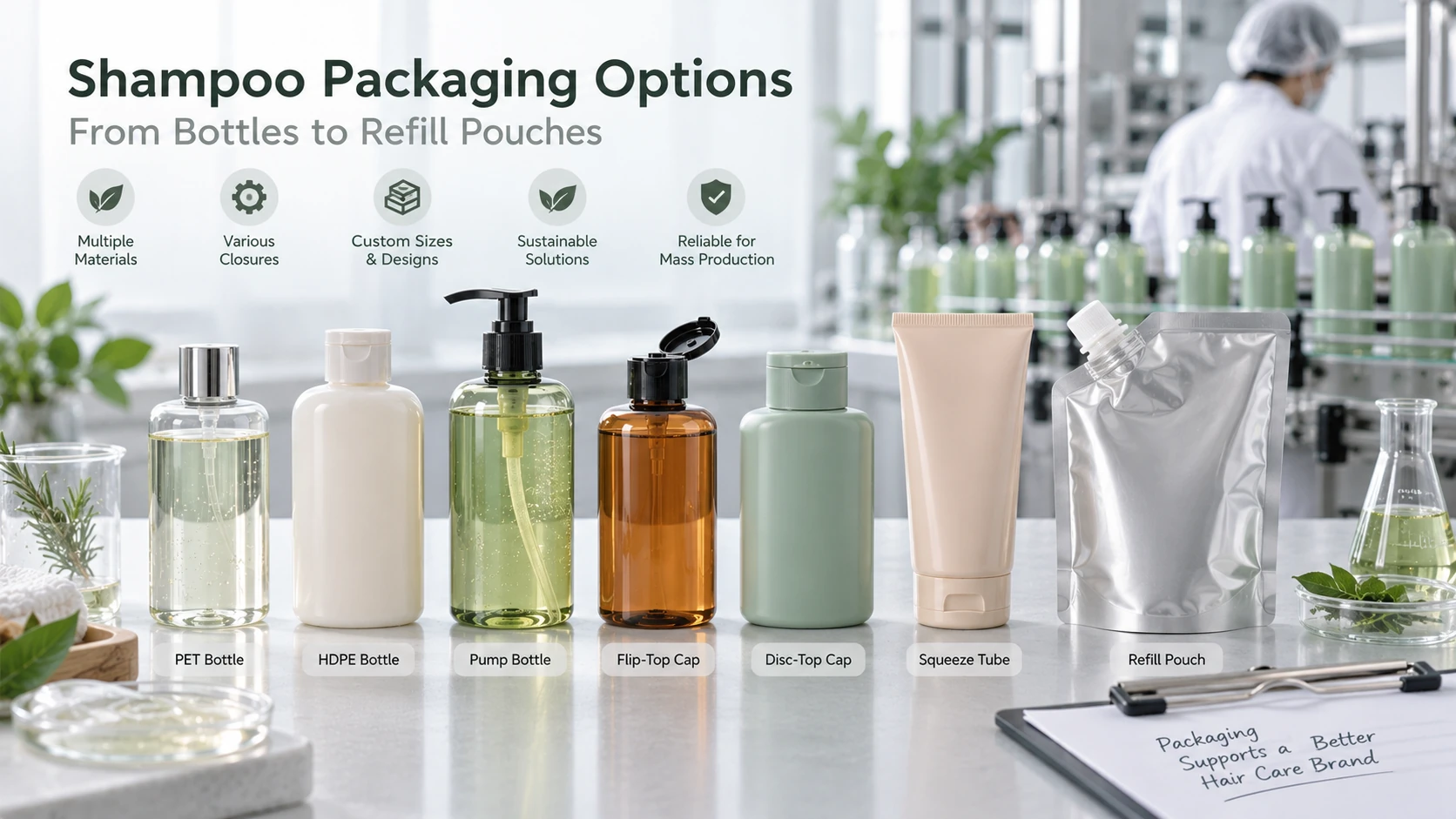
Hair oil packaging must combine practicality and brand identity. Many brands prefer glass bottles because they provide a premium appearance and protect the oil from oxidation.
Common packaging options include:
| Packaging Type | Best For |
|---|---|
| Glass dropper bottle | Premium hair oils |
| Pump bottle | Thicker oil formulas |
| Spray bottle | Lightweight oil mist |
| UV-protected bottle | Natural ingredient formulas |
In addition to the bottle, label design is essential for building a strong brand image. Labels should clearly display the product name, ingredient list, and manufacturer information.
Many OEM factories offer one-stop packaging services, including bottle sourcing, label printing, and packaging assembly.
Step 4: Confirm Production Details with Wholesale Hair Oil Suppliers
Before production begins, buyers must confirm several key details with the supplier.
These include the minimum order quantity, production timeline, and payment structure.
Typical production arrangements look like this:
| Production Factor | Typical Range |
|---|---|
| Minimum Order Quantity | 1,000 – 5,000 units |
| Sampling Time | 5 – 10 days |
| Production Lead Time | 25 – 35 days |
| Payment Terms | Deposit + balance before shipment |
Working with experienced Wholesale Hair Oil Suppliers ensures clear communication and reliable timelines.
Step 5: Manufacturing and Quality Control
Once the order is confirmed, the factory begins large-scale production.
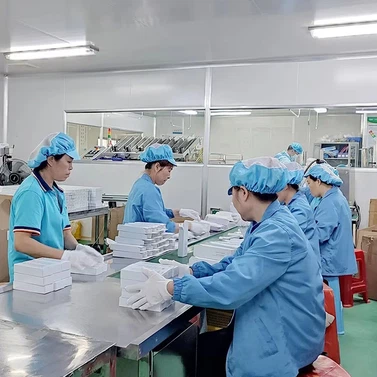
The process starts with raw material inspection, ensuring that all ingredients meet quality standards. The oils are then blended according to the approved formula using industrial mixing equipment.
After mixing, the product is filtered and filled into bottles through automated filling machines. The bottles are labeled and packaged before final inspection.
Quality control is a critical step. Manufacturers perform several tests to ensure product consistency.
| Quality Test | Purpose |
|---|---|
| Microbial testing | Ensure product safety |
| Viscosity testing | Verify formula consistency |
| Fragrance stability test | Maintain scent quality |
| Packaging inspection | Prevent leakage or damage |
Factories with Cosmetic Manufacturing Certifications follow standardized quality management systems.
Poleview, for example, operates automated production lines and applies GMP manufacturing standards to maintain stable product quality for international markets.
Step 6: Compliance and Documentation for International Markets
Cosmetic products exported overseas must comply with the regulations of the destination country.
Manufacturers often assist clients in preparing required documentation.
Typical export documents include:
| Document | Purpose |
|---|---|
| MSDS | Chemical safety information |
| COA | Product quality verification |
| CPSR | EU safety assessment |
| PIF | Product information file |
Experienced suppliers help ensure products meet the regulatory requirements of markets such as the United States, Europe, and the Middle East.
Step 7: Logistics and International Shipping
After production and inspection are complete, the products are prepared for international delivery.
Export packaging protects the products during transportation. Bottles are usually packed in reinforced cartons and placed on pallets.
Buyers can choose different shipping methods depending on delivery speed and cost.
| Shipping Method | Best Use |
|---|---|
| Sea freight | Large bulk orders |
| Air freight | Medium shipments |
| Express courier | Samples or urgent orders |
Many manufacturers work with international freight forwarders to handle export documentation and customs clearance.
How to Choose a Reliable OEM Hair Oil China Manufacturer
Selecting the right manufacturing partner is crucial for product success.
When evaluating suppliers, buyers should consider several factors.
| Evaluation Factor | What to Look For |
|---|---|
| Manufacturing experience | Years in cosmetic production |
| R&D capability | Ability to develop custom formulas |
| Certifications | ISO22716, GMPC, or similar standards |
| Production capacity | Ability to scale large orders |
| Export experience | Familiarity with international regulations |
Companies such as Poleview Group provide integrated OEM services, covering Custom Hair Oil Formulation, packaging design, mass production, and export logistics. This one-stop manufacturing approach simplifies the process for global beauty brands.
Why Choose Poleview

Expert Formulation Team
Our R&D team has years of experience creating effective, high-quality skincare products that meet global standards.

Quality Assurance
All products are manufactured in state-of-the-art facilities with strict adherence to GMP and ISO standards, ensuring the highest quality and safety.
Custom Packaging Solutions
We provide a wide range of packaging options, from eco-friendly materials to luxury packaging, tailored to your brand's needs.

End-to-End Service
From concept to final product, we handle all aspects of production, allowing you to focus on building and marketing your brand.
Common Mistakes When Launching a Private Label Hair Oil Brand
Some brands encounter problems because of avoidable mistakes.
One common issue is ignoring regulatory requirements. Without the correct documentation, products may face delays during import procedures.
Another mistake is choosing suppliers based only on price. Extremely low prices may indicate weak quality control or lack of certifications.
Finally, skipping stability testing can lead to product problems such as oil separation or fragrance degradation.
Working with experienced manufacturers helps prevent these issues.
Final Thoughts
Private label hair oil remains one of the most promising opportunities in the global beauty industry. Consumers increasingly prefer natural oils, scalp treatments, and multifunctional hair care products.
By partnering with reliable OEM Hair Oil China manufacturers, brands gain access to professional Hair Care Product Development, efficient production systems, and competitive global supply chains.
Manufacturers like Poleview support every stage of the process-from Custom Hair Oil Formulation and packaging design to certified production and international shipping.
With the right partner and a clear product concept, launching a successful private label hair oil brand can become a scalable opportunity in the growing global hair care market.
FAQ
Q: What is the minimum order quantity for private label hair oil manufacturing in China?
A: The minimum order quantity (MOQ) depends on the manufacturer and packaging type. Most OEM Hair Oil China manufacturers require between 1,000 and 5,000 units per product.
However, some experienced Wholesale Hair Oil Suppliers may offer lower MOQs for startups or sample production runs. Custom packaging or unique bottle designs may require higher order quantities.
Q: How long does it take to develop a custom hair oil formula?
A: The timeline for Custom Hair Oil Formulation usually ranges from 1 to 3 weeks, depending on the complexity of the formula.
The process typically includes:
- Product concept discussion
- Laboratory formulation development
- Sample testing and feedback
- Final formula approval
Q: What certifications should a reliable hair oil manufacturer have?
A: Professional cosmetic factories usually hold international Cosmetic Manufacturing Certifications to ensure product safety and quality.
Common certifications include:
- ISO 22716 (Cosmetic GMP)
- GMPC certification
- FDA registration (for US export)
- MSDS and COA documentation
Q: Can Chinese manufacturers help with hair care product development?
A: Yes. Many Chinese OEM factories provide full Hair Care Product Development services.
Their R&D teams can assist with:
- Custom hair oil formulations
- Ingredient selection
- Stability testing
- Product performance optimization
Q: What packaging options are available for private label hair oil?
A: Hair oil products can be packaged in various bottle styles depending on the brand's positioning and target market.
Common packaging options include:
- Glass dropper bottles for premium oils
- Pump bottles for thicker formulations
- Spray bottles for lightweight oil mists
- UV-protected bottles for natural ingredient formulas