Handmade soap has become increasingly popular among people who value natural ingredients, skin-friendly formulas, and creative DIY projects. Whether you want to make soap for personal use or dream of starting your own brand, learning the basics of handmade soap making is the perfect place to start.
This guide walks you through ingredients, tools, formulas, and step-by-step instructions so beginners can confidently create their first batch.

What Is Handmade Soap?
Handmade soap is crafted using traditional methods that preserve natural glycerin and allow full control over ingredients.
Handmade Soap vs Commercial Soap
| Feature | Handmade Soap | Commercial Soap |
|---|---|---|
| Ingredients | Natural oils & butters | Synthetic detergents |
| Glycerin | Naturally retained | Often removed |
| Skin feel | Moisturizing & gentle | Can be drying |
| Customization | Highly customizable | Limited |
Because glycerin remains in handmade soap, it typically feels more moisturizing on the skin.
Types of Handmade Soap
Cold Process Soap – Most popular method; requires curing time.
Hot Process Soap – Cooked during production; usable sooner.
Melt and Pour Soap – Pre-made base melted and customized; beginner-friendly.
Essential Ingredients for Handmade Soap
Base Oils
Different oils create different qualities in soap:
Olive oil – Gentle and moisturizing
Coconut oil – Produces cleansing bubbles
Shea butter – Adds creaminess and nourishment
Lye (Sodium Hydroxide)
Lye is essential for saponification, the chemical reaction that turns oils into soap. When properly formulated, no lye remains in the finished bar.
Water or Herbal Infusions
Distilled water is standard, but herbal teas or milk can add skin benefits.
Natural Additives
Oatmeal, clay, honey, and plant powders improve texture and skin feel.
Essential Oils
Used for natural fragrance and aromatherapy properties.
Soap Making Tools You'll Need
Digital scale (accuracy is critical)
Heat-resistant containers
Stick blender
Soap mold
Thermometer
Gloves and safety goggles
Easy Cold Process Handmade Soap Recipe
Beginner Soap Formula (Percentages)
40% Olive Oil
30% Coconut Oil
20% Shea Butter
10% Castor Oil
Lye and water calculated with a soap calculator
1–3% essential oils (optional)
Step-by-Step: How to Make Handmade Soap
1. Prepare Safety Measures
Wear gloves and goggles. Work in a ventilated area.
2. Mix the Lye Solution
Slowly add lye to water (never the reverse). Let cool.
3. Heat and Combine Oils
Melt solid oils and mix with liquid oils.
4. Blend to Trace
When lye solution and oils are similar temperatures, blend until the mixture thickens to "trace."
5. Add Fragrance and Additives
Stir in essential oils, clays, or botanicals.
6. Pour into Mold
Smooth the top and insulate the mold.
7. Unmold and Cut
After 24–48 hours, remove and slice bars.
8. Cure the Soap
Allow bars to cure in a dry area for 4–6 weeks to harden and become mild.
Common Mistakes Beginners Make
Soap Didn't Harden
Too much water or incorrect oil ratio.
White Powder on Surface (Soda Ash)
Caused by air exposure during curing; harmless but cosmetic.
Soap Is Too Harsh
May need longer curing or formula adjustment.
Fragrance Faded
Some essential oils evaporate quickly; usage rates matter.
How to Customize Handmade Soap
Natural Color Swirls
Use clays, turmeric, or spirulina for visual appeal.
Exfoliating Soaps
Add coffee grounds or oatmeal.
Milk and Honey Soaps
Create creamy, nourishing bars.
Herbal & Botanical Soaps
Infuse oils with herbs for added story and value.
Safety Tips for Soap Making
Always measure ingredients accurately
Keep children and pets away
Handle lye with care
Use stainless steel or heat-safe containers
Can You Sell Handmade Soap? What You Should Know
Many hobbyists turn soap making into a business, but scaling requires:
- Consistent formulation
- Stable fragrance performance
- Proper labeling and compliance
- Batch-to-batch quality control
From Handmade to Brand: Working with a Soap Manufacturer
As demand grows, producing soap entirely by hand becomes difficult. Brands often move to OEM/ODM manufacturing for:
Consistent quality and texture
Professional fragrance blending
Custom molds and branding
Scalable production volumes
Manufacturers like Poleview Biotechnology support brands with private label handmade soaps, offering natural formulations, custom scents, and export-ready packaging. This allows entrepreneurs to keep the artisanal story while benefiting from professional production standards.
Our Certifications
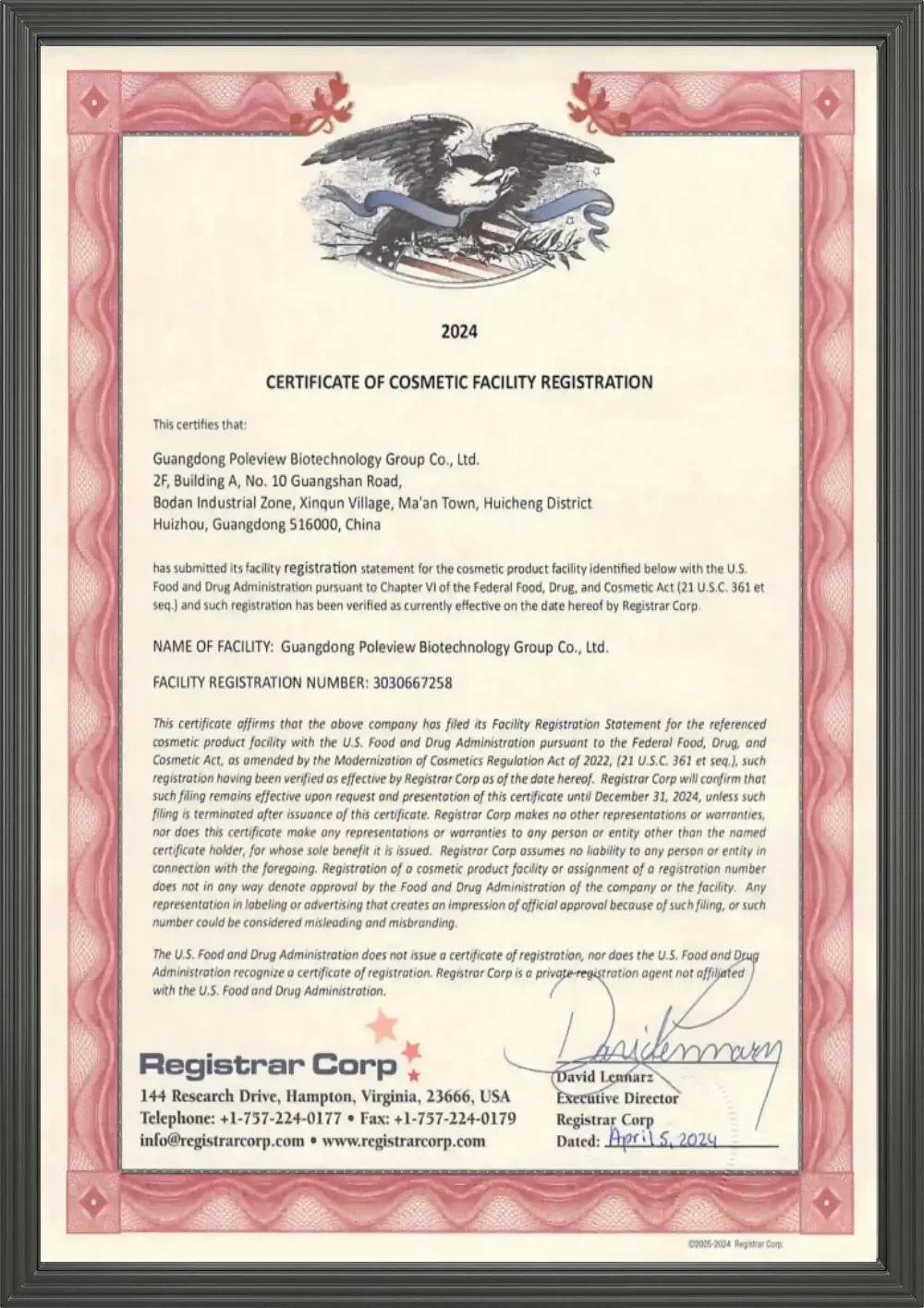
FDA

ISO 22716: 2007

SMETA
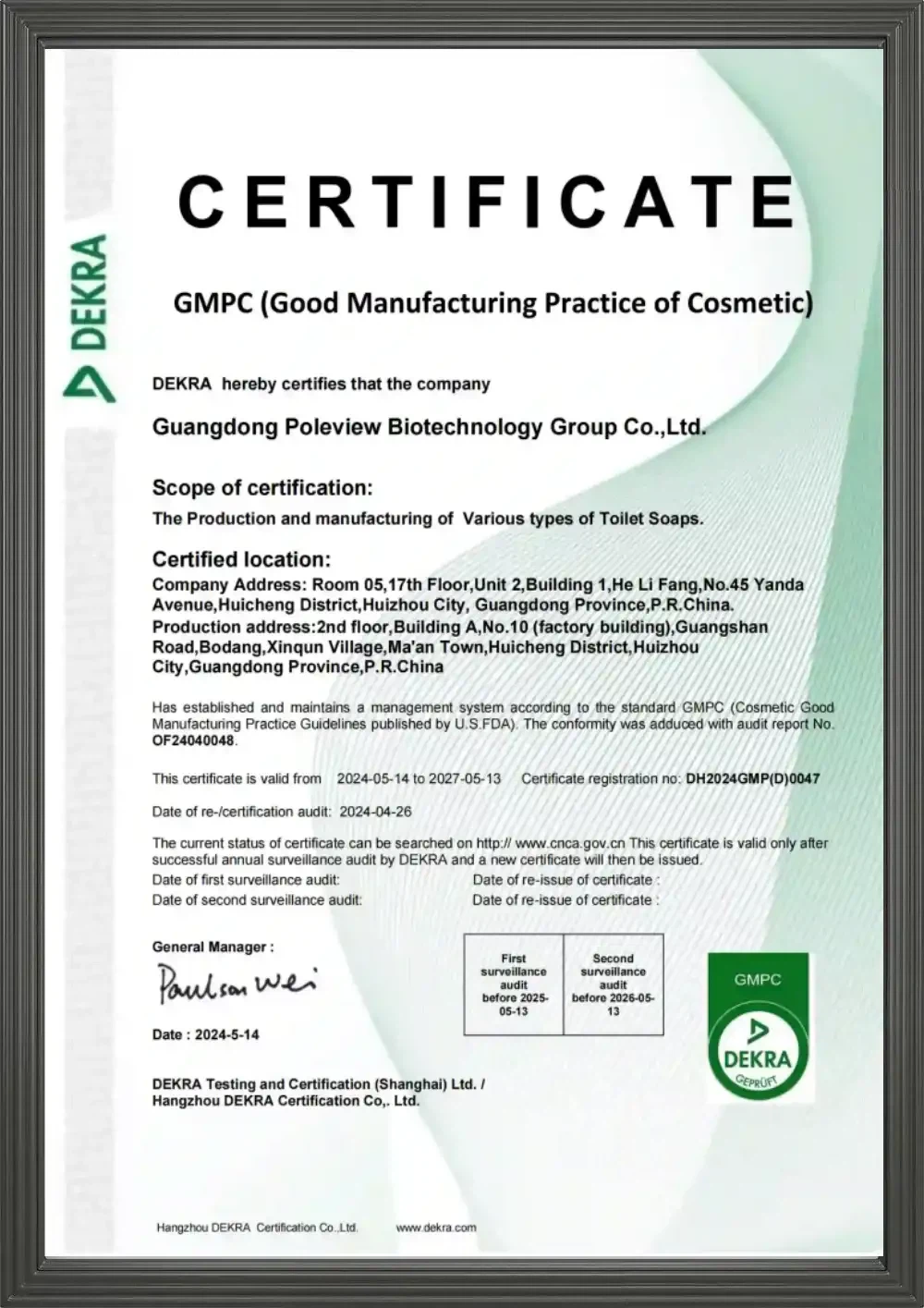
GMPC

TRA
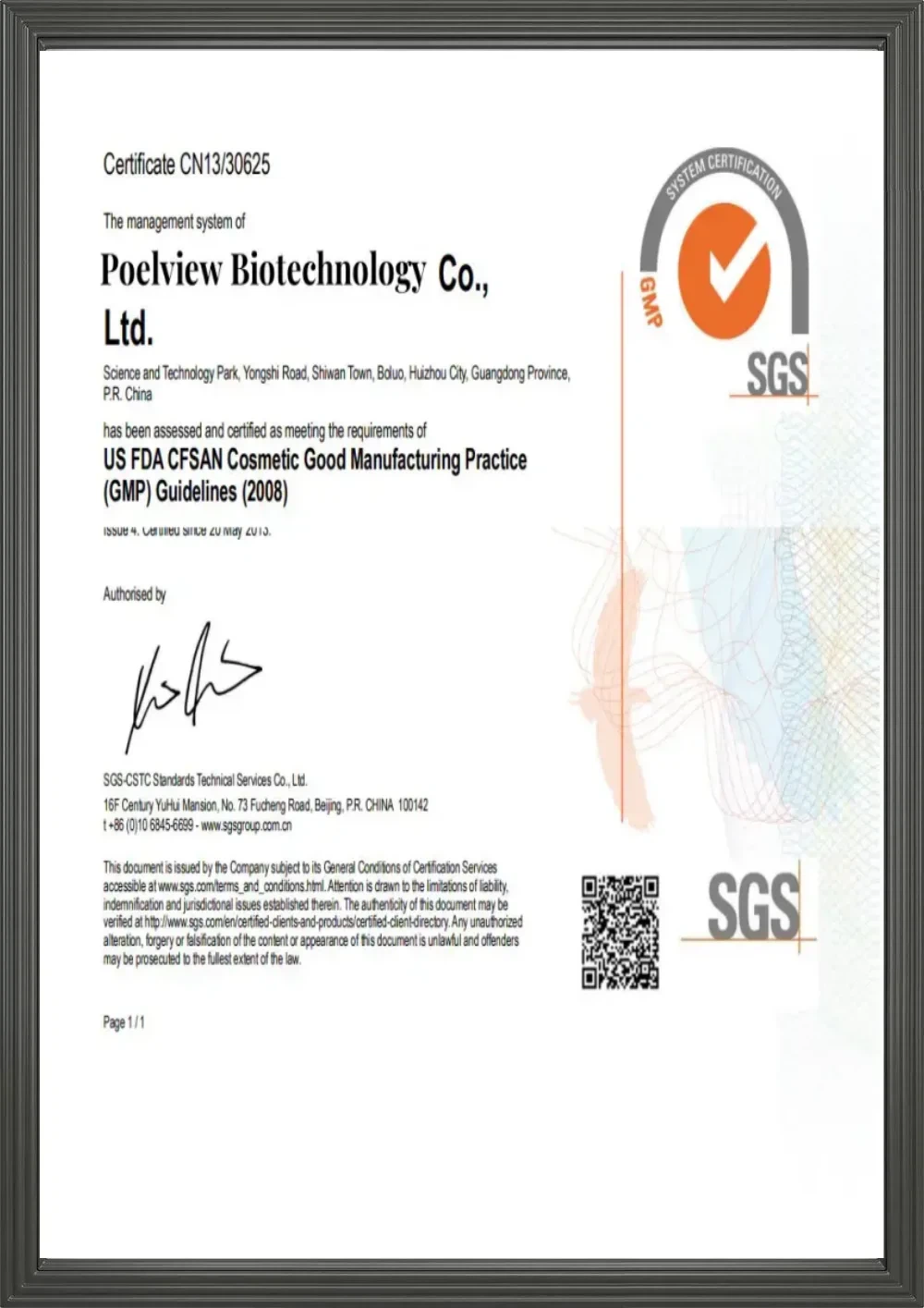
GMP
We ensure that every Private Label Bar Soap with unique formulations will stand out.
Private Label Bar Soap customization in various scents, colors, and packaging types is what Poleview does best.
We offer OEM ODM bar soap in various formulations, packaging, and ingredients.
We also have a strong packaging supply chain, which allows us to provide the widest range of customized packaging services for your bar soap.

Customized Ingredient Available

Customized Colors Available

Customized Scents Available

Customized Packaging Available
Soap Manufacturing
Step#1 Ingredient Selection and Preparation
The first step in soap manufacturing is selecting and preparing high-quality ingredients. Fats and oils are carefully chosen based on the type of soap being produced. For example, coconut oil might be selected for its lathering properties. These ingredients are then measured and prepared for the mixing process. This careful preparation ensures a consistent and high-quality base for the soap.


Step#2 Saponification
Saponification is the chemical reaction at the heart of soap making. Fats and oils are mixed with a lye solution (sodium or potassium hydroxide) under controlled temperatures. This reaction produces soap and glycerin. Precision in this step is crucial to ensure the right consistency and quality of the final product. This is where the art of chemistry meets the craft of soap making.
Step#3 Additives Incorporation
After saponification, various additives like fragrances, colorants, and therapeutic ingredients are added. This step defines a soap's unique properties and characteristics. TY Cosmetics excels in this phase, meticulously blending ingredients to create distinct soap varieties that cater to diverse consumer preferences. Each additive is carefully selected to enhance the soap's appeal and effectiveness.


Step#4 Molding and Shaping
The soap mixture is then poured into molds to give it shape. Depending on the desired final form, this could be large blocks for cutting into bars or specific shapes for unique designs. The soap is allowed to cool and solidify in these molds. The transformation from a liquid blend to beautifully shaped bars is a sight to behold in soap manufacturing.
Step#5 Cutting and Stamping
Once the soap is solid, it's removed from the molds. Large blocks are cut into individual bars using precise cutting equipment. Bars may also be stamped with the company logo or design at this stage, adding a signature touch to each piece. This careful cutting and stamping process ensures consistency and brand recognition in every bar.


Step#6 Curing and Packaging
The final step involves curing the soap, which can take several weeks. This process allows the soap to complete its chemical reaction and dry to the proper hardness. After curing, the soap is packaged and prepared for distribution, ensuring it reaches consumers in perfect condition, and ready for use. Elegant and secure packaging both safeguard the soap and act as the initial customer touchpoint.