Hair oil is often searched as a solution for hair fall, but not all hair fall has the same cause. Some shedding is part of the normal hair cycle, while other concerns may come from breakage, dryness, friction, scalp discomfort, heat styling, chemical processing or medical factors.
A well-designed hair oil cannot treat every type of hair loss, but it can help reduce breakage-related hair fall, support scalp care routines, improve softness and make damaged hair easier to manage. For private label brands, this makes hair oil a strong product direction when the formula, claims and packaging are developed responsibly.
Rosemary oil, castor oil, coconut oil, argan oil and jojoba oil are widely used in scalp care and hair strengthening routines. However, the best formula is not simply the one with the most popular oils. A successful hair oil should match the target hair type, product texture, usage method, packaging format, claim direction and market expectations.
For a broader overview of oil types, benefits and private label development strategy, you can also read our complete hair oil guide.
This guide explains how hair oil can be used responsibly for hair fall care, how to choose suitable ingredients and how to develop a private label hair oil formula that fits real consumer needs.

What Does "Hair Fall" Really Mean?
"Hair fall" is a broad term. Consumers often use it to describe any hair they see on a brush, pillow, bathroom floor or shower drain. In reality, different problems may look similar at first.
Some hair fall is normal shedding. The American Academy of Dermatology Association explains that it is normal to shed around 50 to 100 hairs a day as part of the natural hair cycle. When the body sheds significantly more than this, it may be excessive hair shedding rather than ordinary daily hair fall.
Another common concern is breakage. This happens when the hair fiber becomes dry, rough or weak, then snaps during brushing, washing, heat styling or chemical processing. Breakage can make the hair look thinner even when the root is not the main problem.
There are also scalp-related concerns. A dry, uncomfortable or poorly balanced scalp may make consumers feel that their hair is weaker or falling more easily. In this case, a gentle scalp oil routine may help improve the care experience.
Then there are medical or internal causes of hair loss, such as hereditary hair loss, sudden shedding after stress or illness, postpartum shedding, autoimmune-related hair loss or medication-related hair loss. These require a different level of evaluation and should not be positioned as problems that a cosmetic hair oil can treat.
| Type of Hair Fall Concern | Common Signs | Can Hair Oil Help? |
|---|---|---|
| Breakage-related hair fall | Short broken strands, rough ends, dry texture | Yes, hair oil can help reduce friction and improve softness |
| Dry scalp discomfort | Tight, dry-feeling or uncomfortable scalp | Scalp oil may support comfort and massage routines |
| Normal shedding | Full-length strands from the root | Hair oil may support care, but cannot stop normal shedding |
| Styling damage | Brittle, frizzy or weak-looking hair | Hair oil can be part of a gentler care routine |
| Medical hair loss | Bald patches, sudden heavy shedding or visible thinning | Requires professional diagnosis |
This distinction is important for both consumers and brands. A good hair oil can support hair care, but it should not be marketed as a cure for hair loss.
Can Hair Oil Really Prevent Hair Fall?
Hair oil cannot prevent every type of hair fall. A more accurate statement is that hair oil can help reduce hair fall related to breakage, dryness, friction and poor hair care habits.
When the hair fiber becomes dry or damaged, it is more likely to break during daily handling. Hair oil can help coat the hair surface, improve slip, reduce roughness and make the hair easier to comb. This may help reduce breakage-related hair fall, especially for dry, damaged, curly, textured or chemically treated hair.
Hair oil can also support scalp massage routines. A well-designed scalp oil helps fingers move more comfortably across the scalp and can make the routine feel more relaxing. This does not mean the oil is a medical hair growth treatment, but it can support a better scalp care experience.
For dry hair lengths and ends, hair oil can help improve softness, shine and manageability. When the hair is easier to detangle and less rough, there is usually less mechanical stress during brushing and styling.
For private label brands, the safest and most useful positioning is not "stop hair loss overnight." A stronger and more responsible direction is:
Help reduce breakage-related hair fall, support scalp care and improve the appearance of stronger-looking hair.
What Hair Oil Cannot Do
This section is important for responsible product positioning.
Hair oil cannot treat all types of hair loss. If hair fall is caused by hereditary hair loss, autoimmune conditions, scalp infection, severe dandruff, postpartum shedding, nutritional deficiency, medication or hormonal changes, a cosmetic hair oil should not be presented as a treatment.
Hair oil also cannot create instant new hair growth. It can improve the care routine, reduce dryness, improve shine, support scalp massage and help reduce breakage-related hair fall, but it should not replace medical advice when the concern is sudden, severe or patchy hair loss.
For brands selling into regulated markets, claim wording matters. The U.S. FDA explains that claims such as restoring hair growth may cause a product to be considered a drug rather than only a cosmetic. This is why private label hair oil claims should be written carefully.
| Avoid Overclaiming | Better Cosmetic Positioning |
|---|---|
| Stops hair loss | Helps reduce breakage-related hair fall |
| Regrows hair | Supports stronger-looking hair |
| Treats alopecia | Supports scalp care routines |
| Prevents baldness | Helps improve the appearance of fuller-looking hair |
| Cures thinning hair | Helps reduce breakage and dryness |
| Clinically proven hair growth oil | Formulated for scalp and hair strength support |
This does not weaken the product. It makes the product more credible, safer and more suitable for long-term brand building.
If your brand is still comparing ingredient systems for different claim directions, our natural vs synthetic hair oils guide can help explain how botanical oils, silicones, mineral oil and hybrid formulas affect performance and positioning.
Best Hair Oils for Hair Fall and Breakage Support
Different oils support different product concepts. A scalp massage oil, a pre-wash repair oil and a lightweight daily hair oil should not use the same formula structure.
| Oil or Ingredient | Best For | Formula Notes |
|---|---|---|
| Rosemary Oil | Scalp care positioning | Popular botanical ingredient, usually used at controlled levels with carrier oils |
| Castor Oil | Rich scalp oil blends | Thick texture, suitable for richer formulas but may feel heavy |
| Jojoba Oil | Lightweight scalp and hair care | Good for fine hair and non-greasy scalp oil concepts |
| Coconut Oil | Pre-wash repair care | Suitable for dry or damaged hair, often used in richer blends |
| Argan Oil | Shine, smoothness and anti-frizz care | Good for finishing oils and premium hair oil formulas |
| Almond Oil | Daily nourishment | Balanced conditioning feel, suitable for softer blends |
| Avocado Oil | Dry, curly or textured hair | Richer emollient profile for nourishing formulas |
| Tea Tree / Peppermint Oil | Fresh scalp sensation | Requires careful dosage and allergen review |
| Vitamin E | Formula support | Often used as antioxidant support in oil-based formulas |
Rosemary oil deserves careful wording. It is one of the most searched botanical ingredients for scalp care, and a 2015 study compared rosemary oil with 2% minoxidil in androgenetic alopecia. However, this does not mean a cosmetic rosemary oil should be marketed as a drug treatment or guaranteed hair growth product.
For private label brands, rosemary oil is better positioned around scalp care routines, botanical appeal and stronger-looking hair support.
If your brand is comparing botanical oils such as rosemary, castor, coconut, argan and jojoba oil, our guide to the top hair oils for hair growth support can help you understand which oils are better suited for different product directions.
For a dedicated scalp care concept, a custom rosemary hair oil can be developed with suitable carrier oils, controlled essential oil levels, fragrance options and private label packaging.
How to Use Hair Oil for Hair Fall Care
Hair oil works best when it is used as part of a consistent routine. The right method depends on whether the product is designed for the scalp, hair lengths, damaged ends or styling finish.
For scalp care, a hair oil can be applied before washing. The user can massage a small amount into the scalp with fingertips, leave it on according to product instructions and cleanse with a suitable shampoo. This format works well for rosemary scalp oil, jojoba scalp oil or controlled castor oil blends.
For dry lengths and ends, hair oil can be applied as a pre-wash treatment or leave-in finishing step. A richer formula may be better before washing, while a lighter formula is more suitable after styling.
For breakage-prone hair, the goal is to reduce friction. A small amount of oil can help smooth rough ends, improve combability and make the hair feel softer. This is especially useful for dry, damaged, curly or textured hair.
Fine hair needs a lighter approach. Too much oil can make fine hair look flat or greasy. A lightweight dry oil, jojoba-based formula or spray oil may be more suitable than a thick castor-rich blend.
For brands targeting fine hair, daily-use formulas or non-greasy styling products, a lightweight hair oil spray may be more suitable than a rich oil blend.
The routine should also be supported by gentle hair care habits. Reducing harsh brushing, excessive heat styling, tight hairstyles and aggressive cleansing can help reduce damage and breakage over time.
Formula Directions for Private Label Hair Fall Care Oils
For private label brands, "hair fall care oil" can be developed in several different directions. The right choice depends on the target customer, market channel and product claims.
| Product Direction | Formula Concept | Best Target Market |
|---|---|---|
| Rosemary Scalp Oil | Rosemary oil with jojoba or other lightweight carrier oils | Scalp care, clean beauty, trend-driven brands |
| Castor Hair Oil Blend | Castor oil with almond oil, vitamin E or lighter oils | Rich scalp oil, traditional care positioning |
| Lightweight Hair Fall Care Oil | Jojoba, argan oil and dry-touch emollients | Fine hair, daily use, non-greasy claims |
| Pre-Wash Repair Oil | Coconut oil, avocado oil, argan oil and rich botanical oils | Dry, damaged, curly or textured hair |
| Silicone-Free Strength Support Oil | Natural oils with natural-derived emollients | Clean beauty and EU-focused brands |
| Hybrid Anti-Breakage Oil | Natural oils with lightweight esters or silicone alternatives | Amazon, salon, retail and private label distribution |
| Scalp Massage Oil | Botanical carrier oils with controlled essential oil level | Spa, wellness and self-care brands |
| Hair Oil Spray | Lightweight oil system with spray-compatible viscosity | Fine hair, styling, convenient daily care |
A strong product concept should start with the end user. A castor-rich oil may work well for a traditional scalp oil, but it may not suit a spray bottle. A rosemary scalp oil may be attractive for clean beauty brands, but the essential oil dosage must be controlled. A lightweight hybrid formula may be better for Amazon buyers who care about both ingredient claims and non-greasy feel.
Brands developing a growth-support scalp care line can also review our private label hair growth oil options for market-focused formula ideas.
For brands targeting different consumer groups, our hair oil benefits for men vs. women guide explains how men's grooming, women's repair and unisex scalp-care formulas require different texture and claim strategies.
Common Mistakes When Developing Hair Fall Care Oil
Many hair oil projects start with a simple idea: choose popular oils, add a nice fragrance and put the formula into a beautiful bottle. In practice, successful hair oil development needs more precision.
One common mistake is making strong hair growth claims too early. Terms like "stop hair loss," "regrow hair" or "treat alopecia" may create regulatory and trust issues. A better strategy is to position the product around breakage reduction, scalp care and stronger-looking hair.
Another mistake is making the oil too heavy. Many brands want to include castor oil, coconut oil, avocado oil and several botanical oils in one formula. These ingredients may sound attractive, but the final product can become greasy, difficult to wash out or unsuitable for fine hair.
Essential oils are also often overused. Rosemary, peppermint and tea tree oil can support a strong scalp care story, but high fragrance intensity or poor dosage control may affect comfort. For export markets, fragrance allergens and label requirements should also be reviewed.
Packaging compatibility is another major issue. Thick oils may not work in a spray bottle. Lightweight dry oils may need leakage testing. Dropper bottles require suitable viscosity and dosing control. A good hair oil product must work well in the selected package, not only in the lab sample.
Some brands also forget to test rinse-off feel. For scalp oils and pre-wash oils, the formula should wash out cleanly. If the user feels heavy residue after shampooing, the product may receive poor reviews even if the ingredient list looks premium.
Sample Testing Checklist Before Bulk Production
For hair oil products, sample testing is often more useful than discussing ingredients alone. A formula can sound excellent on paper but feel too heavy, too fragrant, too oily or too weak in shine when tested on real hair.
Before confirming bulk production, brands should compare at least two or three sample directions. One version can be a natural rosemary scalp oil, another can be a lighter hybrid anti-breakage oil, and a third can be a richer pre-wash oil for dry or damaged hair. This gives the brand a better understanding of texture, fragrance, rinse-off feel and market fit.
| Testing Item | Why It Matters |
|---|---|
| Oil Weight | Determines whether the formula feels light, rich or greasy |
| Scalp Comfort | Important for scalp massage oil positioning |
| Fragrance Strength | Essential oils should not feel overpowering |
| Spreadability | Affects massage, styling and daily use experience |
| Rinse-Off Feel | Scalp oils and pre-wash oils should cleanse properly |
| Shine and Smoothness | Important for visible user satisfaction |
| Packaging Compatibility | Avoid leakage, poor spraying or difficult dosing |
| Low-Temperature Stability | Helps identify cloudiness, texture or flow issues |
| Odor and Color Stability | Important for natural oil blends |
| Claim Fit | Confirms whether the sample matches the brand's market promise |
This step helps reduce product development risk. It also makes it easier to decide whether the brand should choose a natural, silicone-free, rich oil, lightweight spray or hybrid formula direction.
Before confirming bulk production, brands can request custom hair oil samples to compare oil weight, spreadability, fragrance direction, shine, after-feel, rinse-off performance and packaging compatibility.
How Poleview Supports Private Label Hair Oil Development
Poleview supports private label hair care brands with custom hair oil formulation and OEM/ODM production in China. For hair fall care positioning, we help brands develop formulas that focus on scalp care, breakage support, non-greasy texture, shine, packaging compatibility and responsible claim direction.
Depending on your brand concept, we can support different hair oil formats, including rosemary scalp oil, castor hair oil blend, lightweight anti-breakage oil, silicone-free hair oil, pre-wash repair oil, hair oil spray, argan shine oil and multipurpose hair and body oil.
Formula development can be adjusted according to hair type, target market and product use. A scalp massage oil may need a softer botanical feel and controlled essential oil level. A dry hair repair oil may need richer natural oils. A lightweight oil for fine hair may require a lower-grease sensory system and suitable packaging. A spray oil must be tested for viscosity, mist performance and leakage resistance.
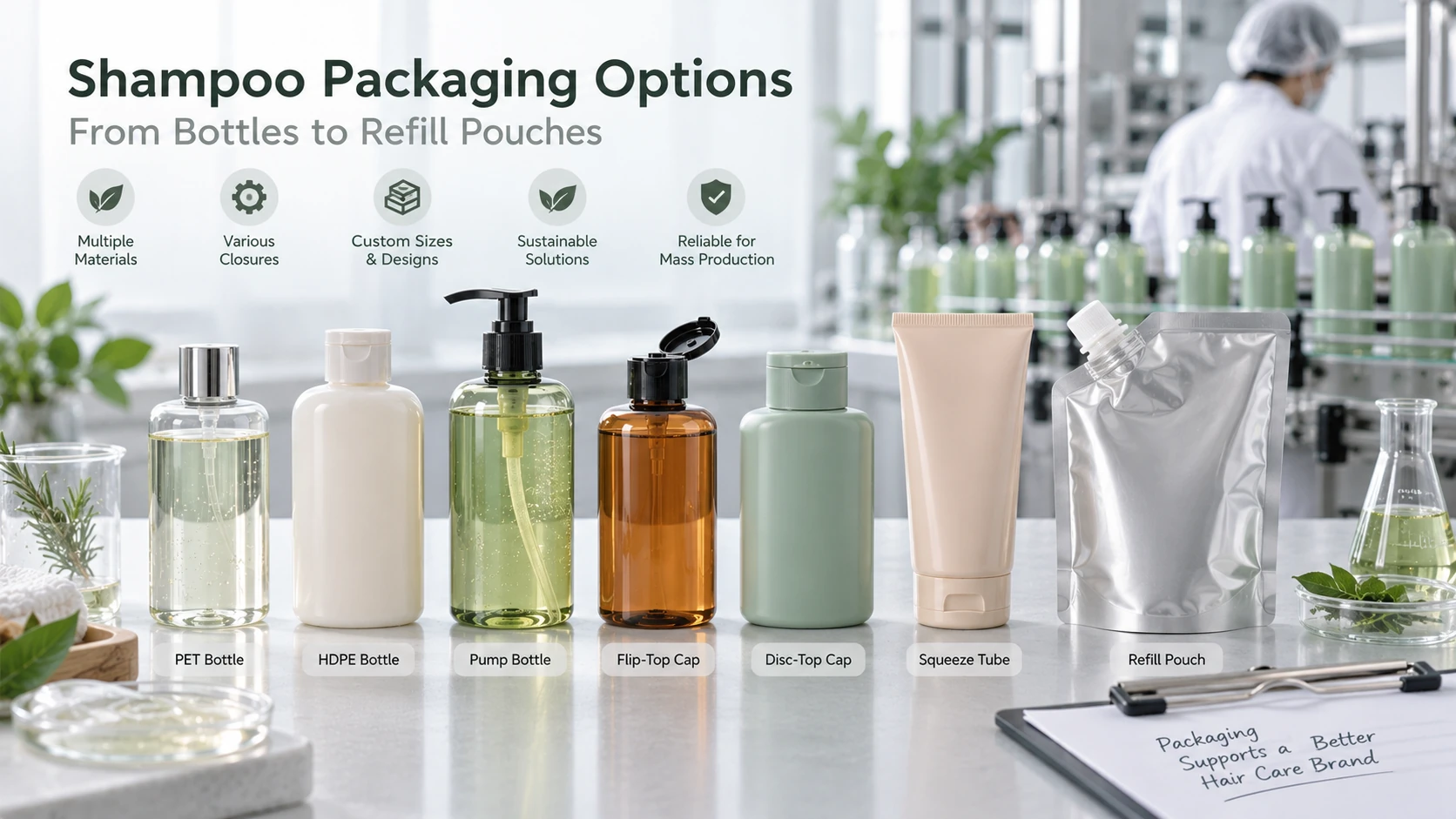
Poleview can also support packaging selection, including dropper bottles, pump bottles, spray bottles, amber bottles, aluminum bottles, travel-size packaging and custom label design. For brands selling through Amazon, Shopify, salon, spa, retail or private label distribution, packaging is part of the product experience and should be developed together with the formula.
Brands that are ready to move from concept comparison to product development can review our private label hair oil manufacturer page for available formula types, packaging options and OEM customization support.
For broader product development, Poleview also provides OEM hair care manufacturing, including formula customization, packaging development, quality control and export support.
Before bulk production, sample development allows your team to compare oil weight, scalp feel, fragrance direction, after-feel, rinse-off performance and packaging fit. This helps your brand choose a formula that is more suitable for your customers and more stable for long-term production.
FAQ
Q: 1. Can hair oil prevent hair fall?
A: Hair oil cannot prevent every type of hair fall. It can help reduce hair fall related to breakage, dryness, friction and poor hair care habits. If hair fall is sudden, severe, patchy or related to a medical condition, users should seek professional advice.
Q: 2. Which oil is best for hair fall and breakage?
A: There is no single best oil for every user. Rosemary oil is popular for scalp care positioning, castor oil is suitable for richer scalp oil blends, jojoba oil works well in lightweight formulas, and coconut or avocado oil may suit dry or damaged hair. The best choice depends on hair type, formula texture and product format.
Q: 3. Is rosemary oil good for hair fall?
A: Rosemary oil is a popular botanical ingredient in scalp care products and has been studied in relation to androgenetic alopecia. For cosmetic hair oils, it is safer to position rosemary oil around scalp care routines and stronger-looking hair support rather than guaranteed hair regrowth.
Q: 4. Is castor oil good for hair fall?
A: Castor oil is commonly used in rich scalp oil blends because of its thick texture and nourishing feel. However, it may feel heavy for fine hair, so many formulas blend it with lighter oils such as jojoba, almond or argan oil.
Q: 5. How often should I use hair oil for hair fall care?
A: Usage depends on the formula. A scalp oil may be used before washing one to three times a week, while a lightweight finishing oil may be used in small amounts after styling. Brands should provide clear usage instructions based on formula type, hair type and target concern.
Q: 6. Should hair oil be applied before or after washing?
A: Pre-wash oils are usually applied before shampooing, especially for scalp massage or repair care. Lightweight finishing oils can be applied after washing and styling to improve shine, smoothness and frizz control. The best method depends on the formula design.
Q: 7. Can hair oil help with hair growth?
A: Hair oil can support scalp care and help reduce breakage-related hair fall, but it should not be positioned as a medical hair growth treatment. Brands should avoid claims such as "regrow hair," "treat hair loss" or "stop hair loss" unless the product is developed and regulated for that purpose.
Q: 8. Can Poleview make custom private label hair oil for hair fall care?
A: Yes. Poleview can support custom private label hair oil development, including rosemary scalp oil, castor oil blends, silicone-free hair oil, lightweight anti-breakage oil, pre-wash repair oil and hair oil spray for different market channels.
Final Thoughts
Hair oil is not a miracle solution for every type of hair loss. A responsible formula should not promise to stop hair fall overnight or regrow hair. Instead, a well-designed hair oil can support scalp care, improve softness, reduce friction and help reduce breakage-related hair fall.
For consumers, the right routine depends on hair type, scalp condition and daily styling habits. For private label brands, the right product depends on formula direction, claim wording, texture, packaging, target market and sample testing.
A successful hair fall care oil is not created by adding every trending oil into one bottle. It is created by matching the right ingredients, oil weight, fragrance level, packaging format and market positioning.
Looking for a custom hair oil manufacturer?
If you are planning a rosemary scalp oil, castor oil blend, silicone-free hair oil, lightweight anti-breakage oil or private label hair oil line, contact our formulation team. Share your product concept, packaging direction and sample requirements, and Poleview can help you move from sample development to private label production.
References
- American Academy of Dermatology Association. Do you have hair loss or hair shedding?
- American Academy of Dermatology Association. Hair loss: Overview
- U.S. Food & Drug Administration. Is It a Cosmetic, a Drug, or Both? (Or Is It Soap?)
- Panahi, Y. et al. Rosemary oil vs minoxidil 2% for the treatment of androgenetic alopecia. PubMed.