Body oil has moved far beyond the traditional spa and massage category. Today, it can be developed as a daily moisturizing body oil, a dry skin body oil, a firming massage oil, a fragrance layering product, a shimmer body oil, a fragrance-free body oil or a premium final step in a complete body care routine.

For consumers, the appeal is easy to understand. Body oils can make the skin feel softer, smoother and more comfortable. They can add glow, improve massage slip and create a more luxurious after-shower experience.
For private label brands, however, a successful body oil requires more than blending a few popular plant oils together. Texture, absorption speed, oil selection, fragrance, oxidation stability, packaging, leakage control and claim wording all affect whether the product performs well after launch.
This is why body oil development should start with a clear product direction. A lightweight dry-touch body oil, a rich body oil for dry skin, a firming massage oil and a fragrance-free body oil are not the same product. Each one requires a different formula strategy, packaging choice and market positioning.
For a broader view of how body oil fits with body wash, body scrub, body lotion and body butter, read our body care guide.
Quick Answer: What Are the Main Benefits of Body Oils?
Body oils can help soften dry skin, support moisture retention, improve skin glow, provide massage slip, enhance fragrance layering and support the appearance of firmer-looking skin when used with massage and moisturization.
However, body oil does not usually hydrate skin in the same way as a water-based body lotion. Most body oils contain little or no water. Their main value is helping the skin feel smoother and supporting moisture retention, especially when applied to slightly damp skin or layered over lotion.
For brands, the best body oil is not simply the one with the longest natural oil list. A strong private label body oil should have the right skin feel, absorption speed, fragrance level, oxidation control, packaging compatibility and responsible cosmetic claims.
What Is Body Oil and How Does It Work?
Body oil is usually an anhydrous product, which means it contains little or no water. A typical body oil formula may include plant oils, cosmetic esters, squalane, caprylic/capric triglyceride, antioxidants, fragrance and oil-soluble ingredients.
Body oil mainly works as an emollient. It helps smooth the skin surface and gives dry or rough-feeling skin a softer touch. Some oil blends can also create a light film on the skin, which helps reduce moisture loss after bathing.
This distinction is important. A pure body oil does not usually add water to the skin like a lotion does. Instead, it supports softness, comfort and moisture retention.
That is why body oil often works best in two ways:
First, it can be applied to slightly damp skin after showering.
Second, it can be layered over a body lotion or body cream when the skin feels very dry.
For private label body care brands, this creates a useful product story. Body oil can be positioned as a final care step, a massage product, a glow product or a rich moisturizing booster within a wider body care routine.
Body Oil vs. Lotion vs. Body Butter
Body oil, lotion and body butter can all support dry-feeling skin, but they work differently.
| Product Type | Main Formula Structure | Best For | Buyer Consideration |
|---|---|---|---|
| Body Lotion | Water, humectants, oils and emulsifiers | Daily hydration and lightweight moisturizing | Texture, pump compatibility, preservation and absorption |
| Body Butter | Butters, waxes and rich emollients | Dry areas, winter care and richer body care routines | Heat stability, graininess, richness and jar compatibility |
| Body Oil | Plant oils, esters, squalane and fragrance | Softness, glow, massage and moisture retention | Absorption, oxidation, leakage, fragrance and claims |
For very dry skin, the best routine is often not "body oil or lotion." Many consumers use body lotion first, then apply body oil to help reduce moisture loss and improve softness.
For brands comparing moisturizer formats, our guide to top body moisturizers for dry skin explains how lotion, cream, body butter, body oil and balm can support different body care routines.
Main Benefits of Body Oils
1. Supports Moisture Retention
One of the most important body oil benefits is helping the skin retain moisture after bathing.
After a shower, water begins to evaporate from the skin. Applying body oil while the skin is still slightly damp can create a flexible lipid layer that helps reduce moisture loss and leaves the skin feeling softer.
This benefit is especially useful for dry-feeling skin, winter body care routines, mature skin care concepts and consumers who shower frequently.
For brands, wording matters. "Helps retain moisture" or "helps reduce moisture loss" is more accurate than claiming that a water-free oil deeply hydrates skin on its own. For brands developing water-based moisturizing products, a body lotion manufacturer can help adjust hydration, texture, viscosity, absorption and pump compatibility before adding body oil as a routine extension.
2. Softens Dry and Rough Skin
Body oil for dry skin can help rough areas feel smoother and more comfortable. Common target areas include elbows, knees, arms, lower legs and other dry-feeling areas.
The ideal texture depends on the target consumer. A richer oil blend may work well for winter care, mature skin or dry skin body care. A lighter dry-touch body oil may be better for warm climates, younger consumers or daily use.
This is why body oil formulation should not only focus on ingredient names. The finished product must be judged by skin feel, absorption, fragrance, residue, stability and packaging performance.
A body oil that looks premium on the label can still fail if it feels too greasy, transfers heavily to clothing or develops an unpleasant odor during storage.
3. Helps Skin Look Glowing and Smoother
Body oils can give dry or dull-looking skin an immediate glow. By smoothing the skin surface, the oil helps light reflect more evenly.
This makes body oil suitable for summer body care, evening routines, shimmer body oils, glow oils, fragrance-led body care collections and premium gift sets.
For brands, glow positioning should be connected to real sensory performance. A glow body oil should spread evenly, absorb comfortably and avoid excessive stickiness. If shimmer or mica is added, suspension, staining, packaging and label clarity should be reviewed before launch.
A good body oil for glowing skin should feel elegant, not messy.
4. Provides Massage Slip and Sensory Value
Body oil is naturally suited to massage because it provides glide and slip. This makes it useful for spa body oil, professional massage oil, hotel body care, wellness collections and at-home relaxation products.
Fragrance can also play an important role. A body oil may be developed around warm vanilla, floral, herbal, citrus, woody, amber or fragrance-free concepts depending on the brand position.
For spa and massage products, the formula should provide enough working time without feeling too heavy after use. For retail body oils, absorption speed and clothing transfer may matter more.
This is why sample evaluation is important. Buyers should test the oil immediately after application, then again after five, fifteen and thirty minutes to understand greasiness, residue, fragrance strength and skin feel.
5. Supports Firmer-Looking Skin
Firming is one of the most attractive body oil benefits, but it must be handled carefully.
A body oil cannot permanently lift loose skin, rebuild collagen or remove cellulite. However, moisturized skin often looks smoother, fuller and more supple. Massage can also improve the sensory experience and create a temporary feeling of tone.
A firming body oil or firming massage oil can therefore be positioned around appearance-based cosmetic benefits, such as firmer-looking skin, smoother-looking skin, improved suppleness and a more toned appearance.
For brands planning a massage-positioned product, firming body massage oil can be developed around skin softness, massage slip, smoother-looking skin and responsible cosmetic claims.
More responsible wording includes:
| Lower-Risk Cosmetic Wording | Avoid These Claims |
|---|---|
| Supports firmer-looking skin | Permanently tightens loose skin |
| Helps skin look smoother and more toned | Removes cellulite |
| Leaves skin feeling more supple | Rebuilds collagen |
| Improves the appearance of skin elasticity | Eliminates stretch marks |
| Helps improve the look of dry skin | Repairs damaged tissue |
For private label brands, firming claims should be reviewed for the final formula and target market before packaging is printed.
6. Complements a Complete Body Care Routine
Body oil is most valuable when it fits into a complete routine.
A simple routine may include body wash, body lotion and body oil. A more premium line may include body scrub, body butter, body oil and fragrance mist. A spa or hotel line may combine body wash, body lotion and massage oil.
For dry skin routines, body oil can be layered over lotion. For glow routines, it can be used as a final step on arms, legs and shoulders. For fragrance-led body care, body oil can help extend the sensory experience after showering.
This makes body oil a useful product for brands building body care sets rather than single products.
Body Oil Formula Directions by Product Goal
| Product Goal | Ingredient Direction | Preferred Skin Feel | Main Development Check |
|---|---|---|---|
| Daily moisturizing oil | Sunflower oil, jojoba oil, sweet almond oil | Light to medium | Broad retail appeal, fragrance compatibility |
| Dry-touch body oil | Squalane, light esters, caprylic/capric triglyceride | Fast-absorbing, low residue | Warm climates, e-commerce, clothing transfer |
| Deep moisture body oil | Avocado oil, oat oil, coconut oil, richer triglycerides | Rich and protective | Winter care, dry skin positioning, oxidation stability |
| Firming massage oil | Argan oil, pomegranate oil, vitamin E | Medium slip | Claim wording, massage time, finished-product support |
| Fragrance-free body oil | Squalane, jojoba, low-odor emollients | Mild and simple | Base odor, sensitive-positioned body care |
| Shimmer or glow body oil | Lightweight oils, shimmer, fragrance | Radiant finish | Suspension, staining, packaging and label clarity |

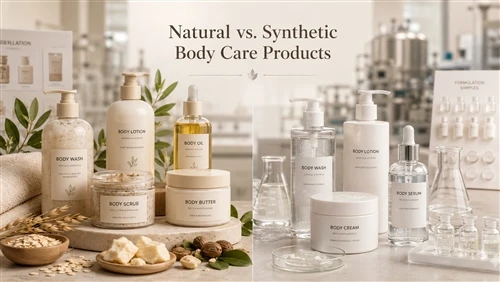
This table shows why the same "body oil" category can serve very different markets. The formula direction should match the target consumer, climate, sales channel and claim strategy. For brands comparing botanical oils, cosmetic esters and functional formula support, our natural vs synthetic body care products guide explains why ingredient origin is only one part of product development.
How Brands Should Choose a Private Label Body Oil Direction
Before requesting samples, brands should define who the body oil is for and what role it plays in the product line.
A body oil for dry skin may need a richer after-feel. A daily moisturizing body oil may need a lighter texture. A firming massage oil needs slip and responsible claims. A fragrance-free body oil needs low-odor raw materials and careful base formulation. A shimmer body oil needs good suspension and packaging compatibility.
The first decision is target consumer. Is the product for dry skin, mature skin, spa massage, fragrance layering, sensitive-positioned care, summer glow or everyday moisturizing?
The second decision is texture and absorption speed. Some customers expect a rich oil with lasting cushion. Others want a dry-touch body oil that absorbs quickly and leaves less residue.
The third decision is climate and sales channel. A rich oil that works well in winter may feel too heavy in a hot climate. A glass bottle may look premium, but PET may be more practical for e-commerce and international shipping.
The fourth decision is fragrance strategy. A fragrance-led body oil can create strong emotional value, while a fragrance-free body oil may better fit sensitive-positioned or minimalist body care lines.
The fifth decision is claims. Moisturizing, soft skin, glow, massage and firmer-looking skin are cosmetic directions. Claims related to cellulite removal, collagen rebuilding or permanent skin tightening require much stronger evidence and may create regulatory risk.
For buyers, the best approach is to compare several samples: a rich formula, a balanced daily formula and a dry-touch version. This makes texture, residue and absorption differences easier to evaluate.
For brands comparing rich oil blends, dry-touch oils, fragrance-free oils or firming massage oils, a body oil manufacturer can help adjust texture, absorption, fragrance, packaging and claim direction.
Packaging Options for Body Oil Products
Body oil packaging should be chosen around viscosity, usage method, channel and shipping conditions.
Pump bottles are practical for many body oils because they control dosage and reduce mess.
Spray bottles can work well for low-viscosity dry oils, but the spray pattern, leakage and packaging compatibility must be tested.
Dropper bottles can support a premium image, but they may be less convenient for applying oil over large body areas.
Glass bottles look luxurious, but they increase shipping weight and breakage risk.
PET bottles are lighter and often more suitable for e-commerce, travel-size products and global distribution, but compatibility with the oil and fragrance system must still be confirmed.
Packaging should not be chosen only by appearance. A beautiful bottle is not useful if it leaks, clogs, reacts with fragrance, creates poor dispensing or fails during shipping.
Claim and Compliance Notes for Body Oil Brands
Body oil claims should match the final formula, supporting evidence and destination market.
Lower-risk cosmetic wording may include:
- Helps reduce moisture loss
- Leaves skin feeling softer
- Improves the appearance of smoothness
- Supports firmer-looking skin
- Helps skin look more supple and glowing
- Provides massage slip
- Adds a healthy-looking glow
Brands should be cautious with:
- Rebuilds collagen
- Removes cellulite
- Permanently tightens skin
- Eliminates stretch marks
- Repairs damaged tissue
- Treats dry skin disease
- Heals irritation
This point is especially important for firming body oil, stretch mark oil, massage oil and anti-aging body care concepts.
In the United States, claims that suggest a product changes the structure or function of the body may move beyond ordinary cosmetic positioning. In the European Union, cosmetic claims should be truthful, supported, fair and not misleading.
Private Label Body Oil Concepts for Global Markets
Deep Moisture Body Oil
A deep moisture body oil can combine richer plant oils, squalane and vitamin E. This concept may suit winter care, mature skin, very dry skin routines and premium body care collections.
The formula should feel rich without becoming sticky or heavy. Oxidation stability, fragrance compatibility and packaging leakage should be reviewed carefully.
Dry-Touch Daily Body Oil
A dry-touch body oil can use lightweight esters, squalane or fast-absorbing emollients to reduce the greasy feel often associated with traditional oils.
This direction can work well for warm climates, younger consumers, e-commerce brands and customers who want the benefits of body oils without a heavy residue.
Firming Massage Body Oil
A firming massage oil should provide enough slip for massage while leaving the skin feeling soft and comfortable.
The product story can include smoother-looking skin, firmer-looking appearance, improved suppleness and massage experience. Stronger claims should be supported by suitable testing on the finished product.
Fragrance-Free Body Oil
A fragrance-free body oil can suit sensitive-positioned, minimalist or clean beauty body care lines.
However, fragrance-free does not automatically mean hypoallergenic or suitable for every consumer. The formula still needs low-odor raw materials, stable texture, clear labeling and good skin feel.
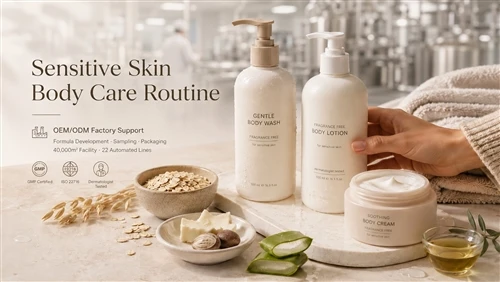
For brands developing sensitive-positioned body care, our body care routine for sensitive skin guide explains how gentle body wash, fragrance-free lotion and optional body oil can fit into a simple routine.
Shimmer or Glow Body Oil
A shimmer body oil or glow body oil can be attractive for summer launches, holiday gift sets, social media campaigns and fragrance-led body care lines.
The main development checks include shimmer suspension, even application, staining risk, bottle visibility, fragrance stability and clear usage instructions.
How Poleview Supports Private Label Body Oil Development
Poleview Cosmetics helps brands develop body oil products for retail, e-commerce, spa, hotel, salon and global distribution markets. As a private label body care manufacturer, Poleview can help brands connect body oil with body wash, body scrub, body lotion, body cream and body butter as part of a complete body care product line.
We can support moisturizing body oil, dry-touch body oil, firming massage oil, fragrance-free body oil, shimmer body oil, spa massage oil, body oil gift sets and body lotion plus body oil routine sets.
Depending on the project direction, our support can include oil blend selection, skin feel adjustment, absorption speed optimization, fragrance customization, oxidation review, packaging selection, sample development, label support, claim direction review and bulk production.
As a body oil manufacturer, Poleview can help brands compare different formula bases, such as rich oil blends, balanced daily oils and fast-absorbing dry-touch formulas. This helps buyers choose the right texture before moving into packaging and bulk production.
For brands building a wider line, Poleview can also connect body oil with body wash, body scrub, body lotion, body cream and body butter. This allows the body oil to become part of a complete body care routine rather than an isolated product.
For projects that need sample development, packaging review and production planning, OEM body care development can help move the body oil concept from idea to market-ready product. For projects that need sample development, packaging review and production planning, OEM body care development can help move a body oil concept from idea to market-ready product.

How to Use Body Oil for Better Results
Body oil is usually best applied after bathing, while the skin is still slightly damp. This helps the oil spread more easily and supports moisture retention.
For very dry skin, consumers can apply body lotion first and body oil second. The lotion provides water-based hydration, while the oil helps the skin feel softer and more protected.
A small amount is usually enough. Body oil can be massaged over the arms, legs, elbows, knees and other dry-feeling areas. For massage or spa use, a larger amount may be needed depending on the desired slip.
Fragranced or botanical body oils should be patch-tested when appropriate. Body oil should not replace sunscreen. Spills should also be cleaned quickly because oils can make floors or bathtubs slippery.
These practical use instructions can also help brands reduce misuse and improve consumer satisfaction after launch.
FAQ
Q: 1. What are the main benefits of body oils?
A: The main benefits of body oils include softer-feeling skin, better moisture retention, smoother-looking skin, improved glow, massage slip and a more premium body care experience. Some body oils can also support firmer-looking skin when combined with massage and moisturization.
Q: 2. Is body oil good for dry skin?
A: Yes. A well-formulated body oil for dry skin can help soften rough areas and reduce the feeling of dryness. It often works best when applied to slightly damp skin or layered over body lotion or cream.
Q: 3. Does body oil hydrate skin or lock in moisture?
A: Most pure body oils contain little or no water, so they do not hydrate skin in the same way as a water-based lotion. Their main role is to help the skin feel softer and support moisture retention by reducing water loss from the skin surface.
Q: 4. Is body oil better than lotion?
A: Body oil and lotion serve different roles. Body lotion provides water-based hydration and humectants, while body oil supports softness, glow and moisture retention. For very dry skin, using lotion first and body oil second can be a strong routine.
Q: 5. Can body oil make skin firmer?
A: Body oil can help the skin look smoother, more supple and firmer-looking, especially when paired with massage. However, it should not be described as permanently tightening skin, rebuilding collagen or removing cellulite without suitable evidence and regulatory review.
Q: 6. What ingredients are best for body oils?
A: The best ingredients depend on the product goal. Sunflower oil, jojoba oil and sweet almond oil can suit daily body oils. Squalane and light esters can support dry-touch formulas. Avocado oil, oat oil and richer triglycerides can suit dry skin body oils. Argan oil, pomegranate oil and vitamin E can support firming massage oil concepts.
Final Thoughts
The benefits of body oils include moisture retention, softness, glow, massage slip and firmer-looking skin. But for private label brands, a successful body oil is not built only by choosing fashionable plant oils.
The product must match the target consumer, climate, channel, texture preference, fragrance direction, packaging format and claim strategy.
A good body oil feels elegant on the skin, stays stable during storage, works with the selected package and communicates its benefits responsibly.
Looking to develop a private label body oil?
Poleview Cosmetics can help develop moisturizing body oil, dry-touch body oil, firming massage oil, fragrance-free body oil, shimmer body oil and body oil gift sets for retail, e-commerce, spa, hotel and global distribution markets.
Share your product direction, target market, fragrance preference, packaging idea and sample requirements with our team to start your custom body oil project.
Related Guides
The Ultimate Guide to Body Care: Tips, Products, and Routines for Healthy Skin
Top Body Moisturizers for Dry Skin
Natural vs. Synthetic Body Care Products: Pros & Cons
Body Care Routine for Sensitive Skin